Church security systems Perth parishes ask us for usually start with one of three jobs: cameras around the church, the hall and the car park, an older alarm brought up to date so volunteers can arm it from a phone, or door access for an office and a hall that too many people hold keys to. We design, install and maintain all three on churches and places of worship across the Perth metro area, and we plan the cabling around heritage fabric before anything is drilled.
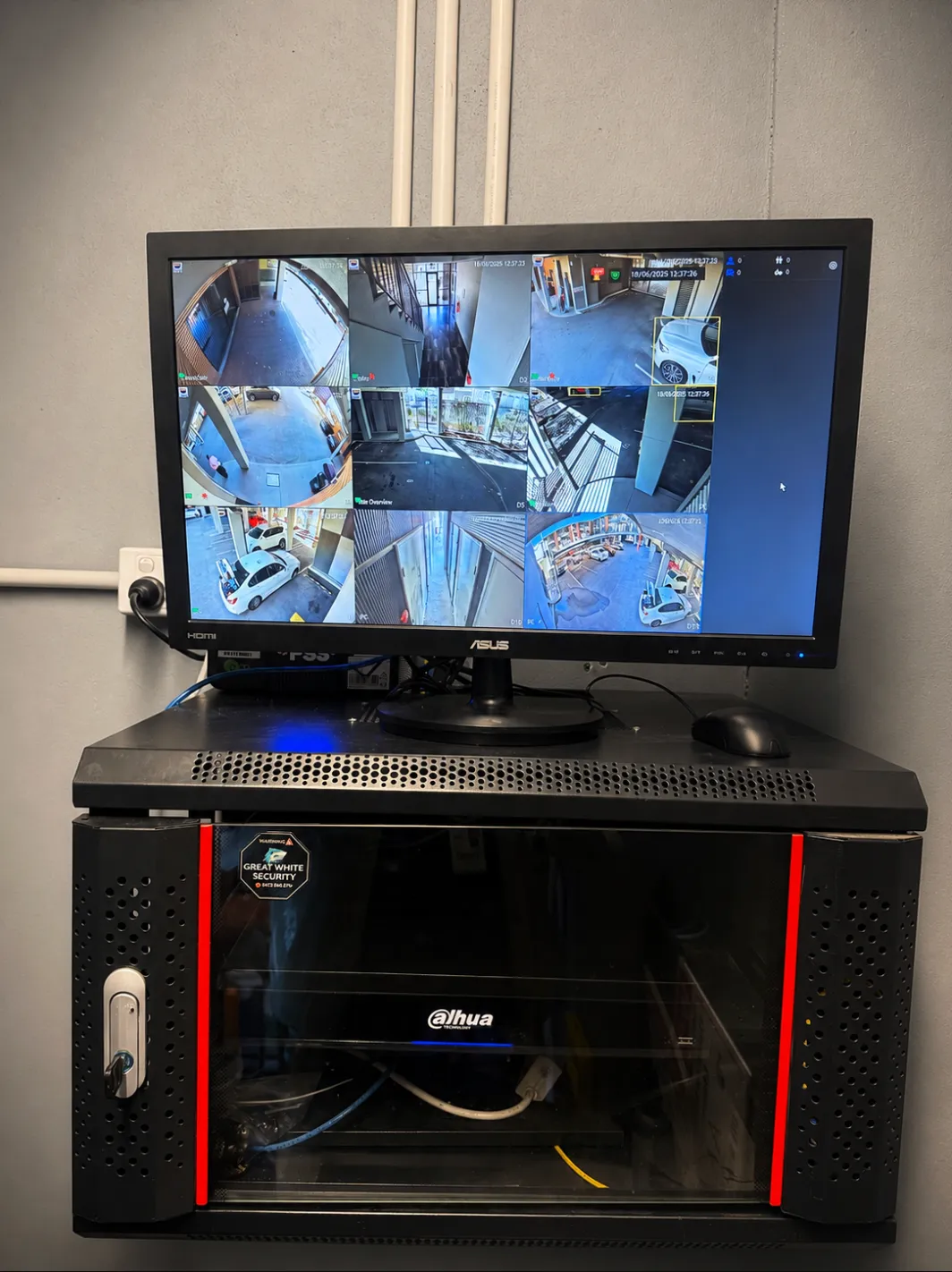
Most church camera work in Perth is a replacement rather than a first install. A church that came to us recently was running six or seven coaxial cameras that had reached the end of their life; the brief was to replace them with PoE IP cameras on new cable, add positions where no cable had ever run, and bring everything back to one recorder in a lockable cupboard. That is the usual shape of the job: the old analogue cameras come down, the new ones go up on the same or better positions, and the places that were never covered, usually the car park, the hall entry and the side doors, get a camera for the first time.
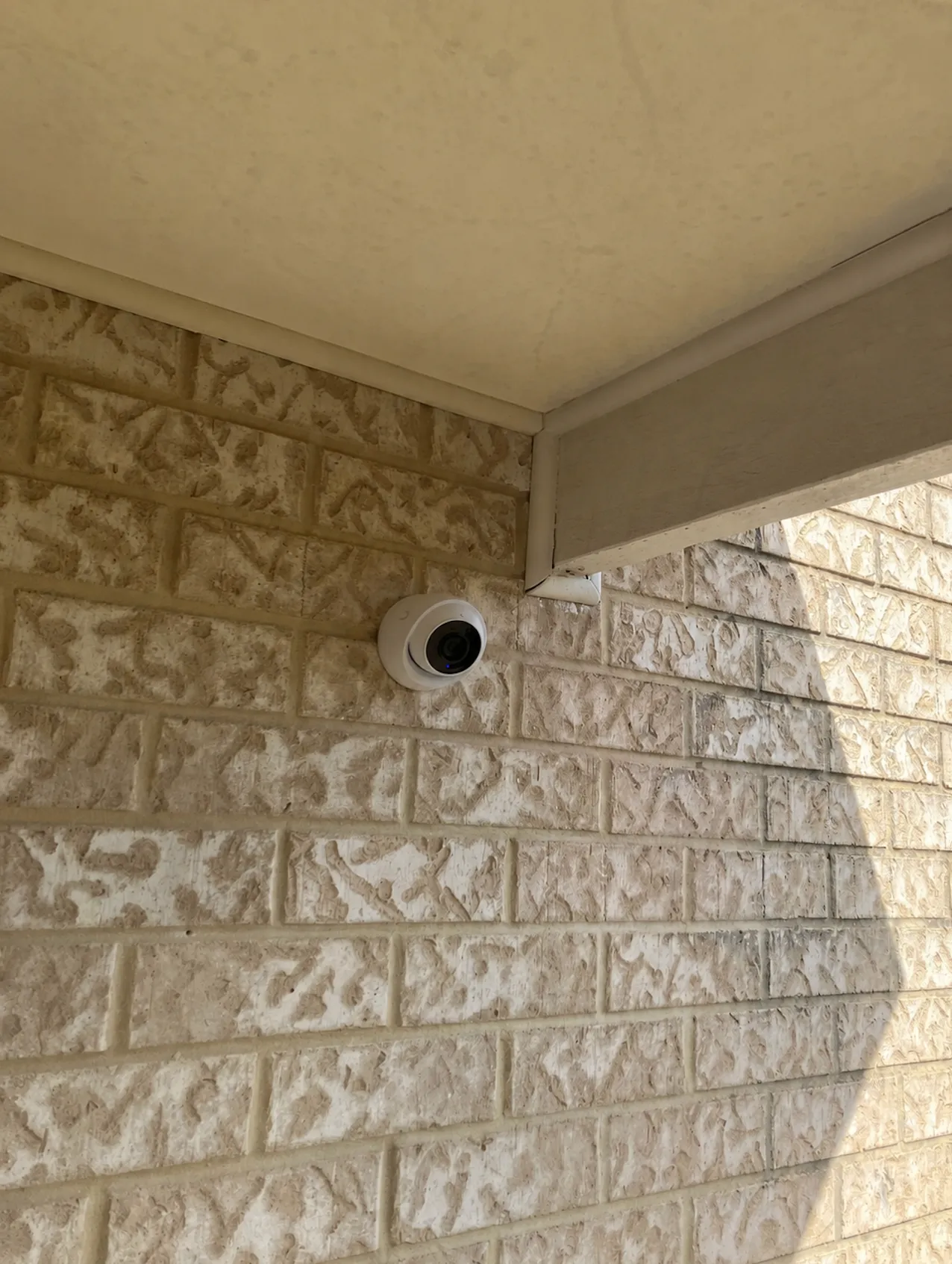
The positions that matter on a church site are the main doors, the hall and kitchen entries, the office, the car park and any donation or AV equipment store. Another parish with a church and a separate hall asked for cameras around both buildings, which is sensible: the hall is used all week by playgroups, hirers and community groups, so it sees more foot traffic than the church itself. Outdoor cameras are chosen for the position, with wide low-light models for the car park and vandal-resistant domes near doors. Our commercial security cameras page explains how cameras are picked per position rather than from a catalogue.
A lot of Perth churches are heritage listed, and the first question on the coax replacement job above was whether we were allowed to drill through the walls at all. The answer depends on the listing and on what the work touches. The Department of Planning, Lands and Heritage lists the installation of a surveillance system that does not affect the fabric of a State Registered building among the works that do not need a referral to the Heritage Council, and replacing services through existing routes or voids is treated the same way. Fixing into or penetrating significant fabric is a different matter and can need a referral through the local government, which is set out on the state's how to develop and maintain heritage places page.
In practice this means we walk the building with whoever looks after it, mark the camera positions and the cable routes, and work out which runs can follow existing conduit, roof voids and service penetrations before any new hole is proposed. Where a position would need a fixing into stone or original timber, we look for an alternative first: a nearby downpipe bracket, an existing light fitting position, or a surface-mounted route in a colour that disappears against the wall. If the parish has a heritage adviser or a conservation plan, we work to it and leave the decision on any contested fixing with them.
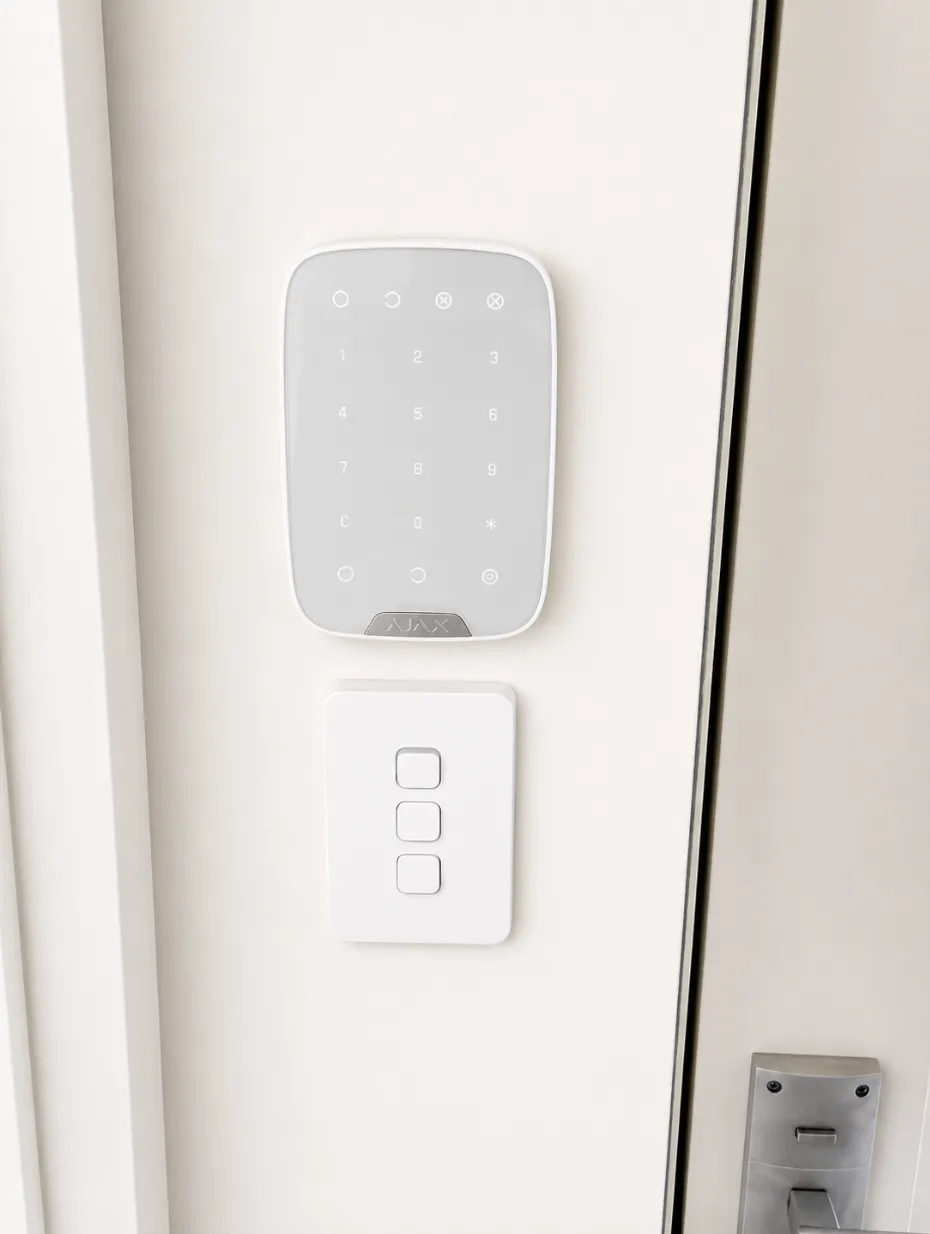
Church alarms are usually older than the people operating them. One parish in Perth's north called us because the keypad on their panel was worn out and nobody was sure the system could be modernised; what they wanted was to arm and disarm from a phone so the person locking up after a Saturday evening service did not need to find the keypad in the dark. Depending on the panel, that is either a new keypad and a communicator on the existing system or a replacement panel with the existing detectors tested and kept. Our Bosch alarm installer page covers the panel range that most of these upgrades land on, and the Ajax range suits halls and offices where running new cable is impractical.
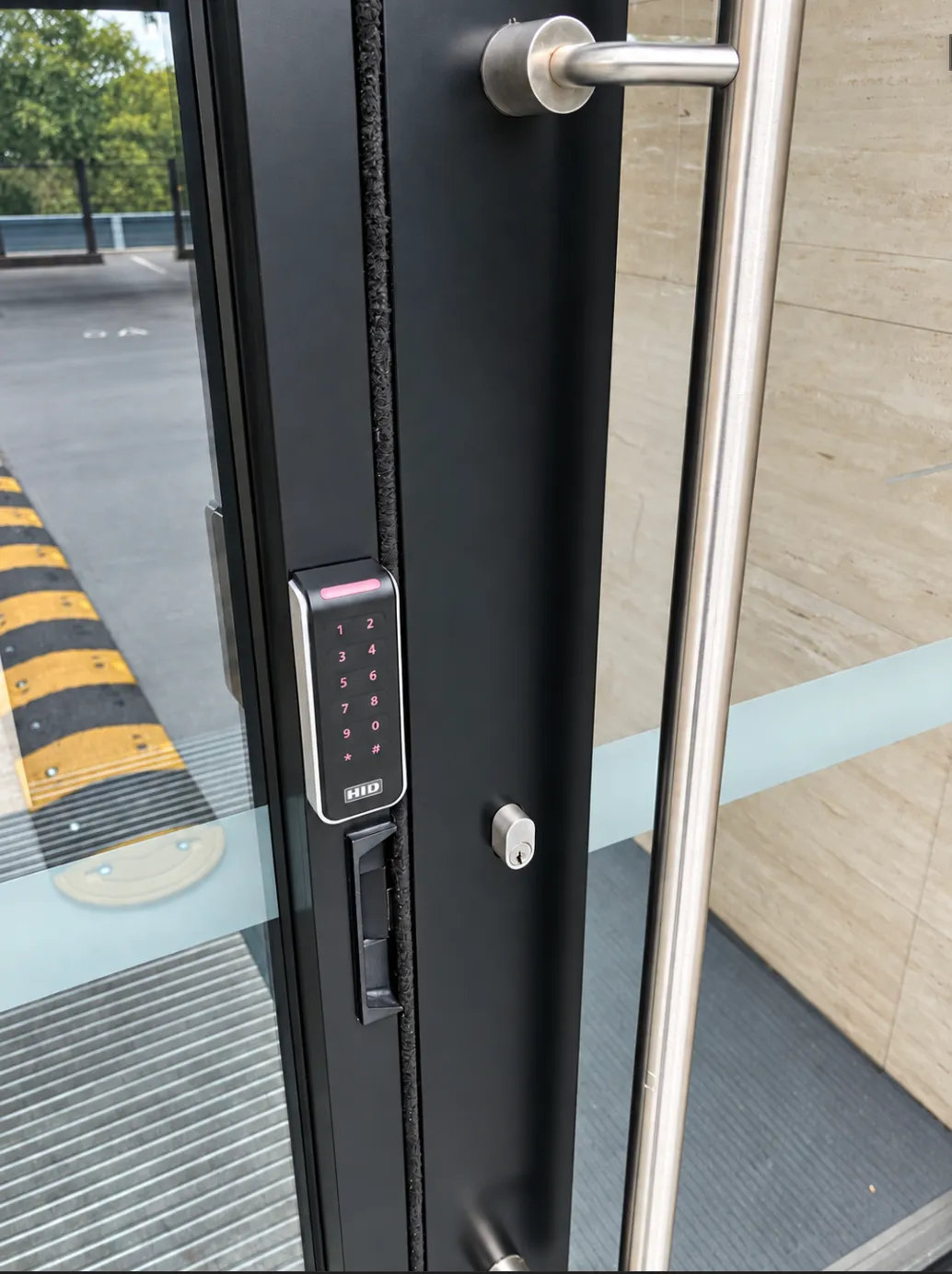
Keys are the usual weak point on a church site. A hall used by a playgroup on Monday, a choir on Wednesday and a hirer on Saturday ends up with keys in a dozen hands, and the parish office holds the AV equipment, the safe and the records behind a door that half the volunteers can open. Key fob access control on the office, the hall and the main church door replaces that with credentials that can be cancelled, scheduled and reported on: the hirer's fob works on Saturday between the booked hours and nowhere else, and the system records which door opened and when.
A larger church with around seven hundred people each Sunday came to us wanting cameras, door access and remote monitoring on one platform in place of the basic panel it had outgrown, which is where a networked system such as UniFi or a single-controller platform such as Inception makes sense: the office sees doors, cameras and alarm status in one app. For a small parish with one office door and a hall, a standalone reader on each door and a schedule is enough. An intercom at the office door lets the administrator see and speak to a visitor before releasing the door, which matters on weekdays when one person is on site alone.
Cameras in a place of worship need more care than cameras in a warehouse. The congregation, counselling rooms, confessionals and any change or first-aid areas are not places for cameras, and the positions we propose cover doors, foyers, halls, car parks and equipment stores rather than the nave during a service. Camera placement, audio and signage follow the Surveillance Devices Act 1998, so entry signage is quoted with the install and audio recording is left off unless there is a specific reason for it.
Who can view footage is set in the recorder: the office administrator and one or two nominated people get logins, hirers do not, and the retention period is set to what the parish council decides, with thirty days the usual starting point. Login details and an app walk-through are part of handover. Where the parish wants its cameras listed with WA Police, our Cam-Map registration page covers how the system is recorded. Afterwards the system can be placed on a commercial maintenance agreement if the parish wants scheduled checks of cameras, detectors and batteries rather than calling when something fails.
Cameras on the church doors, the hall, the office, the car park and any equipment store; an alarm zoned per building that volunteers can arm from a phone, with monitoring; and door access on the office, the hall and the main entry so hirers and volunteers hold credentials rather than keys. Each part is scoped to the site, so a single-building parish and a church with a hall, an office and an op shop end up with different designs.
Yes, with the routes planned first. The state heritage guidance treats a surveillance system that does not affect a building's fabric, and services run through existing routes or voids, as works that do not need a Heritage Council referral; fixings into significant fabric can need one through the local government. We mark positions and cable paths on a walk-through, favour existing conduit and voids, and leave contested fixings with the parish's heritage adviser.
Yes. Most panels can take a communicator that adds app control, and older panels are replaced with one that has it built in, keeping the existing detectors where they test sound. Each volunteer group gets its own code or login so a leaver is removed without resetting everyone else, and the office can see who armed the system and when.
Not as a rule. The positions we propose cover doors, foyers, halls, car parks and equipment stores. Counselling rooms, confessionals, change and first-aid areas are left uncovered, audio is off unless there is a specific reason, and entry signage is included in the quote so the congregation and hirers know cameras are in use.
Yes. A reader on the hall door with a fob or PIN per hirer, restricted to the booked hours, replaces the key that never comes back. The office cancels a credential in the app when a hire ends, and the system records which door opened and when, which also settles disputes about who left the hall unlocked.
The main variables are camera count and how many outdoor or heritage positions there are, cable distances between the church, hall and office, whether the alarm is new or an upgrade of an existing panel, the number of controlled doors, monitoring, and whether the work has to be staged around services and hire bookings. Send photos or a site plan and we will quote from the actual layout; if the parish is applying for funding, tell us what the application needs and the quote is written to suit it.
Photos of the main doors, the hall entry, the office, the car park and wherever the existing alarm panel or recorder lives, plus a note on whether the building is heritage listed and what already exists. We will come back with a quote for each part of the system, or arrange a walk-through with whoever looks after the building if the cable routes need to be agreed first.