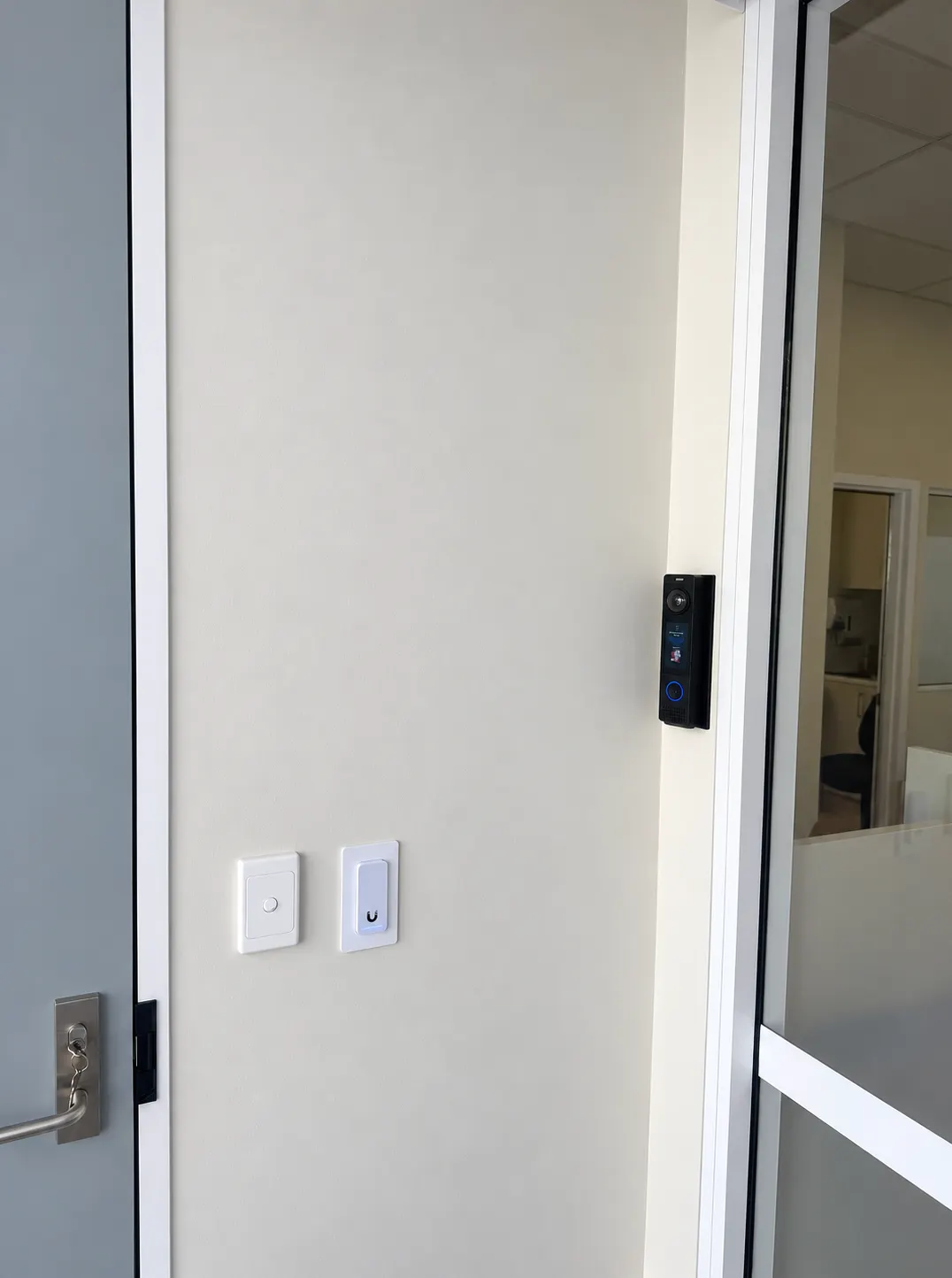
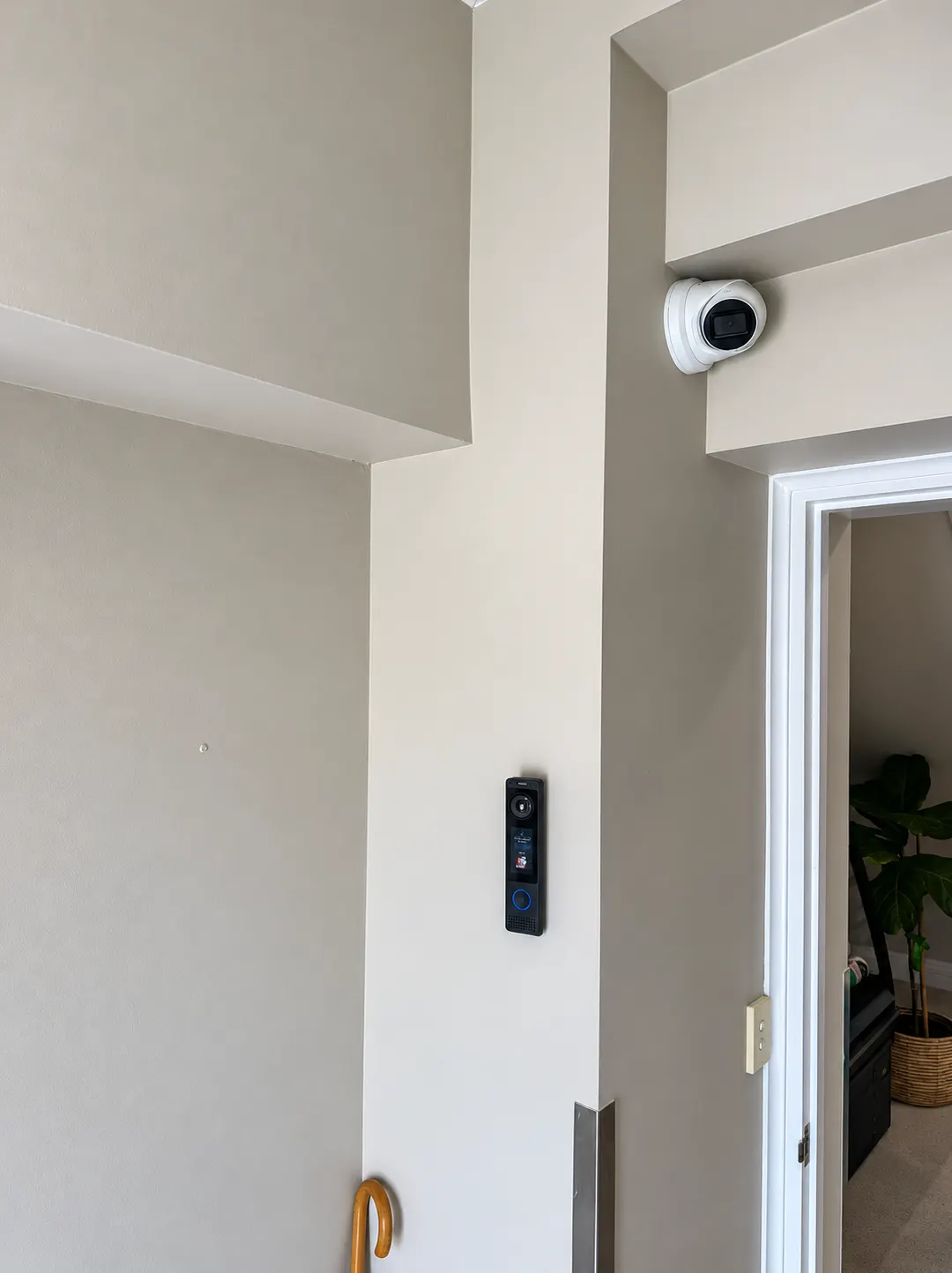
Key fob access control Perth businesses can run themselves: fobs, swipe cards and phone credentials on the doors that matter, issued per person, cancelled in seconds and logged every time they are used. We fit fob and swipe card systems for offices, warehouses, clinics, gyms and strata buildings across the Perth metro area, and we support all major brands, so the reader on your door is chosen for the site rather than for a catalogue.
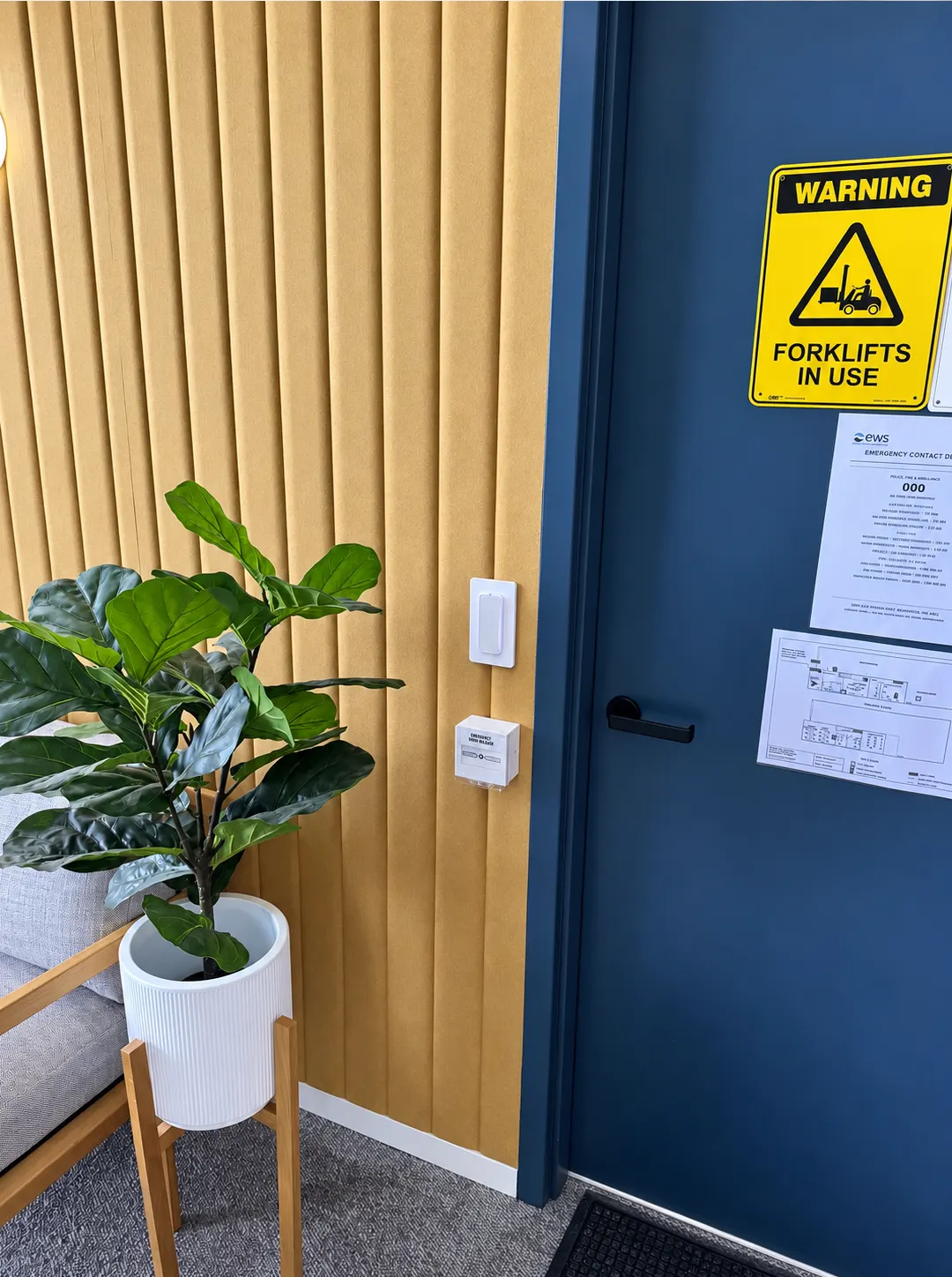
Not every fob is equal. The grey 125 kHz proximity fobs still on a lot of Perth doors can be cloned at a kiosk in a shopping centre for a few dollars, which defeats the point of cancelling a lost one. Encrypted credentials such as MIFARE DESFire, Inner Range SIFER and HID Seos carry a key that the reader checks, so a copy does not work and a cancelled fob stays cancelled.
We specify encrypted formats on new systems as standard, and on existing systems we can run dual-technology readers that accept the old fobs and the new ones at the same time, so staff are moved across in batches rather than all on one morning. The HID readers and credentials page covers the formats in more detail.
A fob or swipe card system is more than the reader on the wall. Each controlled door gets a reader, lock hardware matched to the door and its egress requirements, a request-to-exit device and door monitoring so the system knows when the door is held open or forced. The controller sits in a plant room or comms cabinet with battery backup, and the software or app is where credentials are issued, schedules are set and the log is read.
Swipe card access control Perth businesses choose when they want the credential to double as a photo ID: the card is printed with a name and photo, worn on a lanyard, and it opens the doors that person is allowed through. Contractors and cleaners get cards with an expiry date, so access ends when the contract does, and a site with several buildings or several branches can run one card across all of them with different permissions at each.
For businesses that would rather not manage plastic at all, the same systems issue mobile credentials to a phone. UniFi Access, Gallagher Mobile Connect, HID Mobile Access and Inner Range all support phone credentials, and UniFi Access can also issue passes to Apple Wallet. Fobs and cards stay available for people who do not carry a work phone, on the same readers.
A good share of our fob work is on systems someone else installed: a business that needs fifty more fobs issued, a strata building where nobody has the administrator login, or a clinic whose installer has closed. We service and issue credentials on Gallagher, Inner Range Integriti and Inception, Tecom, UniFi Access and HID-based systems, recover administrator access through the manufacturer's process where it has been lost, and tell you honestly when a controller is old enough that an access control upgrade is the better spend.
Where only one door needs fob access, a small networked controller still beats a standalone keypad: it keeps the log, it can be managed from a phone, and it grows to more doors later without replacing the first one.
Offices use it for the front door, the server room and after-hours entry; warehouses for dispatch, stock and plant areas on shift schedules; medical and allied health for drug rooms, records and staff-only areas; gyms and studios for member entry around the clock; and strata buildings for lobbies, lifts, car parks and bin rooms with per-lot credentials the committee or manager can administer. The same credential can open a car park boom gate, a pedestrian gate and a lift floor when those are on the system too.
This page is part of our access control Perth service, which covers the full range of platforms, readers and integrations we install.
Older 125 kHz proximity fobs can be cloned cheaply at kiosks and online, which is why we specify encrypted credentials such as MIFARE DESFire, Inner Range SIFER or HID Seos on new systems. Those carry a cryptographic key checked by the reader, so copies do not work. If your building still runs 125 kHz fobs, dual-technology readers let you move to encrypted fobs in stages.
The administrator cancels that one credential in the software or app and it stops working at every door immediately. Nothing else changes: no other fobs are affected and no locks are changed. A replacement is issued and the log shows if the lost fob is ever presented at a door afterwards.
Yes. A single door on a small networked controller is a common starting point: one reader, the right lock hardware for the door, an exit button, and the software or app to manage credentials. It keeps a log and can be expanded to more doors later without replacing what was installed first.
Yes, for Gallagher, Inner Range, Tecom, UniFi Access and HID-based systems among others. We confirm the credential format your readers use, supply fobs or cards in that format and either enrol them for you or set the administrator up to do it. If administrator access to the system has been lost, we recover it through the manufacturer's process first.
Yes, when those are on the same access control system. A car park boom gate, pedestrian gate, building entry and lift floor can each be a door in the system with its own schedule, and a resident or staff member carries one fob or phone credential for all of them. Gates and lifts need their own interface hardware, which we include in the design.
It depends on the number of doors, the lock hardware each door needs, whether cabling and readers already exist, the credential format and whether the system is managed locally or from the cloud. Send us a list of the doors and a photo of each and we will quote from that, or arrange a site visit for larger buildings.
How many doors, which ones need a reader, whether you want fobs, cards or phones, and whether there is a system on the wall already. A photo of each door and the existing cabinet, if there is one, answers most of it and we will quote from there.