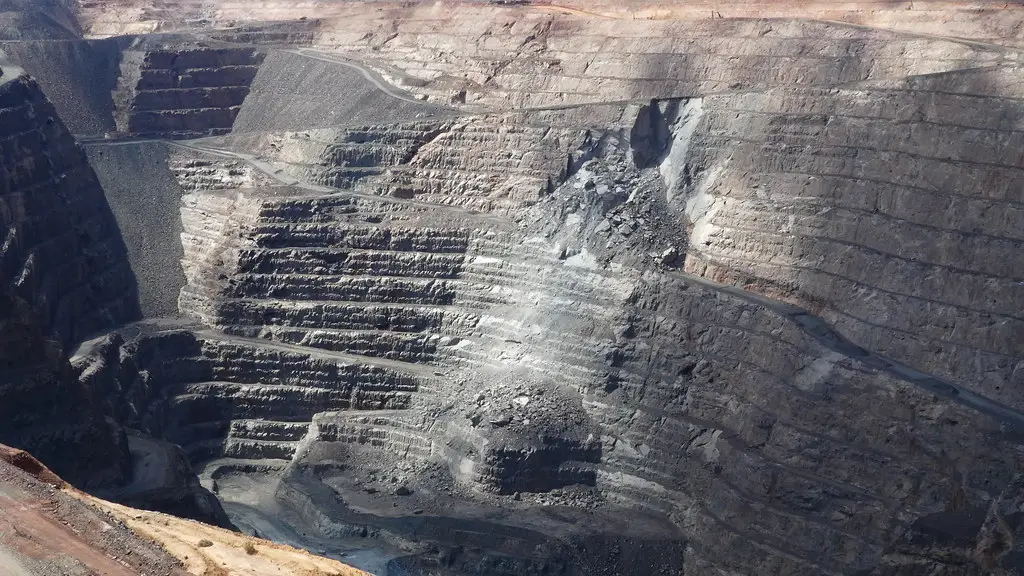
Ruggedized security solutions for Western Australian mining sites, FIFO camps, resource infrastructure and remote facilities. Mobile CCTV towers, satellite connectivity, perimeter protection and 24/7 monitoring designed for the harshest conditions.
Sites hundreds of kilometers from infrastructure need satellite comms, 4G/5G cellular backup and offline recording with syncing when connectivity returns.
Pilbara heat (50°C+), dust storms, cyclones and flooding require ruggedized equipment with extreme temperature ratings and IP68+ protection.
Mining leases spanning hundreds of hectares need thermal cameras, drone integration and mobile CCTV towers for perimeter monitoring.
Worker accommodation requires access control, CCTV coverage, duress alarms and visitor management for compliance and safety.
Gold, diamonds, heavy machinery and fuel storage need layered security with intrusion detection, GPS tracking and 24/7 monitoring.
WHS regulations, environmental monitoring and incident investigation require CCTV with long retention and integration with site management systems.
Pilbara mines, port infrastructure
Goldfields operations, processing
Offshore support, onshore facilities
Emerging critical minerals sector
Mine site security is designed area by area, because each zone fails differently. At the main gate and access roads, the system starts with vehicle control: boom gates or gatehouse integration, cameras positioned to capture plates and driver faces, and ANPR (automatic number plate recognition) analytics where the operation needs an automatic register of every vehicle movement — invaluable for contractor management, fuel reconciliation and investigating equipment that leaves site when it shouldn't. Site-wide access control then governs who moves between zones, and enterprise platforms such as Gallagher are the natural fit here because they combine access, perimeter intrusion and reporting in one system built for exactly this environment.
Along the perimeter and laydown areas, thermal cameras and AI human/vehicle classification watch fence lines and open boundaries that are too long to patrol, with virtual tripwires raising alerts only for genuine incursions. Dedicated perimeter alarm systems add beam and fence-mounted detection at high-risk segments such as magazine compounds, gold rooms and fuel farms. Around processing plants, workshops and stockpiles, fixed cameras cover crushers, conveyors, ROM pads and refuelling points — doing double duty for security and for incident investigation when something goes wrong operationally.
For exploration camps and early works, where nothing is powered or fenced yet, solar trailer-mounted towers carry the load — see our dedicated mine site CCTV hire page for how tower hire works through the project lifecycle. The same rapid-deploy approach protects contractors' laydown yards during construction phases; our construction site security page covers that stage in detail, and our guide to remote site monitoring explains how verified video alerts get actioned from Perth.
On a mine site, security systems are as much a safety and compliance tool as a theft deterrent. WHS duty-of-care obligations extend to isolated workers, night shifts and contractor movements — duress alarms in remote plant rooms, coverage of mustering points, and a reliable record of who was where all form part of demonstrating reasonably practicable controls. When a serious incident occurs, investigators ask for footage first: cameras positioned over haul road intersections, workshops and processing areas give the site an objective record that protects both workers and the operator.
Insurers and principal contractors increasingly expect the same. Plant, machinery and contract-works policies commonly ask what intrusion detection and monitoring exist on unattended sites, and a documented security system supports claims when theft of fuel, copper, tools or vehicles does occur. Because incidents on remote sites are often discovered days later — at the next crew swing or stocktake — retention matters more than in the metro area. We size recorders for extended retention and explain the trade-offs in our guide to CCTV footage retention in Australia. Exported footage is timestamped and handled so it remains usable as evidence for police reports and insurance claims.
Yes. We supply mining-grade equipment rated for -20°C to +60°C operation with dust/water ingress protection (IP67/IP68). Solar-powered systems include oversized panels and battery banks to handle high heat loads. All equipment is tested for thermal cycling, vibration and corrosive atmospheres common in WA's resource regions.
We offer Starlink satellite (low latency, high bandwidth), traditional satellite (Inmarsat, Iridium), 4G/5G cellular (Telstra, Optus with multi-carrier failover), microwave links and hybrid solutions. Systems can operate offline with local recording, syncing footage when connectivity is available. Bandwidth is optimized for remote viewing without excessive data costs.
Mine site security pricing is driven by a handful of variables: the number and type of camera towers (solar/thermal units cost more than fixed poles), perimeter length and detection technology, connectivity (satellite links carry ongoing data costs that cellular doesn't), FIFO camp size and door count for access control, monitoring arrangements, and how remote the site is for installation and servicing. Hire and staged deployment can convert capital cost into operating cost as the site develops. We scope all of this in a site assessment and provide an itemised, quote-based proposal — contact us to start.
Yes. For greenfield sites, we provide rapid-deploy mobile towers that relocate as construction progresses, then permanent infrastructure during commissioning. For brownfield sites, we integrate with existing systems, upgrade legacy equipment and expand coverage as operations grow. We understand mining project timelines and can mobilize quickly for exploration, construction or production phases.
Yes. We offer remote diagnostics and troubleshooting, scheduled fly-in/fly-out maintenance visits, spare parts kits stored on-site and training for site personnel to perform basic maintenance. For critical sites, maintenance response arrangements are agreed as part of your service contract, with technician mobilisation from Perth. Many systems include self-monitoring with automatic alerts for component failures.
The best mine site security systems combine mobile CCTV towers with thermal imaging, satellite or 4G connectivity for remote monitoring, perimeter intrusion detection, and access control for FIFO camps and operational areas. For Perth-based mining companies with remote WA operations, we recommend solar-powered rapid-deploy camera towers, AI-powered analytics for breach detection, and 24/7 monitoring connected back to Perth. The ideal system is ruggedized for extreme conditions, operates on satellite comms where cellular coverage is unavailable, and scales as your site develops from exploration through to full production.
Yes. ANPR (automatic number plate recognition) cameras at gates and access roads build an automatic register of every vehicle movement with timestamped plate capture, day and night. That register supports contractor compliance, hours-on-site records, fuel and equipment reconciliation, and investigations when plant or materials leave site unexpectedly. ANPR can be combined with boom gate control so authorised vehicles are recognised and admitted automatically while unknown plates raise an alert to the gatehouse or monitoring centre.
We secure mining operations throughout WA's resource regions:
Get a mining security assessment. We'll assess your site requirements and provide ruggedized solutions designed for WA's harshest environments.