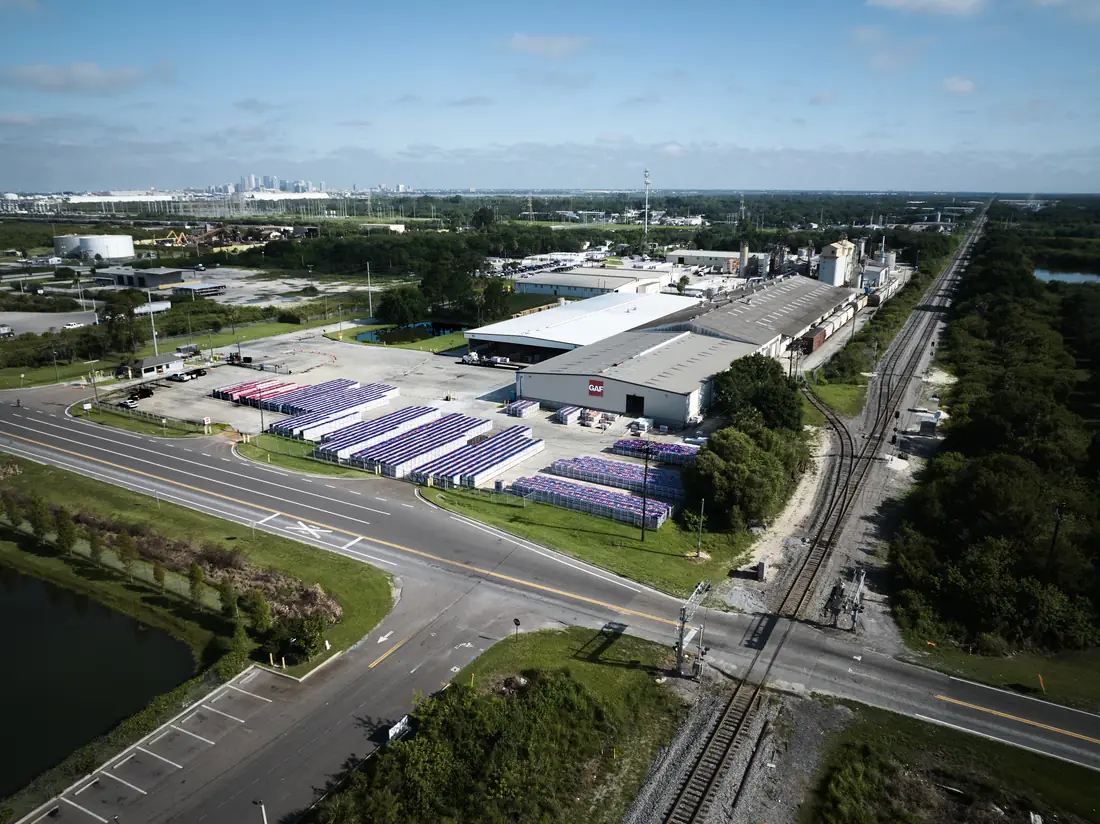
Industrial-grade security for Western Australian manufacturing facilities, factories, processing plants and assembly lines. Perimeter protection, production monitoring, hazardous area control and integration with industrial automation systems.
Large industrial sites with multiple access points require comprehensive perimeter detection, fence line monitoring and 24/7 intrusion alerts to prevent theft and unauthorized access.
CCTV for quality control, process verification, safety compliance and incident investigation requires industrial cameras with vibration resistance and harsh environment protection.
Explosive atmospheres, chemical processing and high-temperature zones need ATEX/IECEx certified cameras and intrinsically safe equipment for worker safety and compliance.
Raw material storage, finished goods warehouses and loading docks require CCTV coverage, access control and inventory tracking to prevent theft and streamline operations.
WHS compliance requires CCTV for incident investigation, duress alarms in isolated areas, emergency mustering and contractor management with safety induction tracking.
Proprietary processes, formulas and designs need high-security access control, R&D area monitoring and comprehensive audit trails to protect trade secrets.
Assembly, fabrication, light industrial
Meat, seafood, bakeries, packaging
Processing plants, laboratories
Metal fabrication, automotive
A manufacturing site is secured in layers, working from the boundary inward. At the perimeter, fence-line detection and AI camera analytics identify people and vehicles crossing the boundary after hours, before they reach the building — a purpose-built perimeter alarm system with beams or fence-mounted sensors suits sites with valuable outdoor stock, gas storage or vehicle compounds. At the main gate and car park, cameras positioned for plate and face capture record every arrival, with ANPR available where the operation needs an automatic vehicle register for contractors and freight.
Inside, goods-in and dispatch carry the same loss profile as any warehouse: staged pallets, open roller doors and third-party drivers. Dock cameras and staging-area coverage close that gap — our warehouse security page covers this zone in depth, and sites running their own fleet should see transport and logistics security. On the production floor, industrial-rated cameras over lines, workshops and plant rooms do double duty: security coverage plus an objective record for incident investigation and process review. High-risk and high-IP areas — R&D, control rooms, chemical stores, server rooms — sit behind access control with individual credentials and full audit trails.
Platform choice depends on scale. A single facility is well served by Inner Range Inception, which combines access control and intrusion in one Australian-made controller; larger plants and multi-site manufacturers step up to enterprise platforms like Gallagher, where perimeter, access and alarm management run under one management system with SCADA and BMS integration. The camera layer itself is delivered as a standard commercial CCTV installation — PoE cameras on structured cabling, an NVR sized for your retention requirements, and remote access for plant and operations managers.
For manufacturers, security infrastructure is inseparable from WHS compliance. Duty-of-care obligations cover machine operators, night-shift and lone workers, and every contractor who walks through induction — and the systems on this page are practical controls a regulator recognises: duress alarms in isolated plant areas, CCTV over high-risk processes for incident investigation, access control that keeps unauthorised people away from dangerous machinery, and coverage of emergency mustering points. When a notifiable incident occurs, timestamped footage is often the difference between reconstruction by memory and knowing exactly what happened.
Insurers assess manufacturing premises on similar terms. Property, plant and business-interruption policies commonly ask what intrusion detection and monitoring protect the site out of hours, and documented security measures support both the premium conversation and any claim after theft of tools, metals or finished goods. Because production-related losses and quality disputes can surface weeks after the event, footage retention deserves deliberate sizing — typically 30–90 days for industrial sites, longer where batch traceability matters. Our guide to CCTV footage retention in Australia explains the storage trade-offs and the privacy obligations that come with recording staff areas.
Yes. We supply industrial-grade cameras with IP67/IP68 ratings for dust and water resistance, vibration-resistant housings, wide temperature ranges (-40°C to +60°C), and explosion-proof (ATEX/IECEx) options for hazardous areas. All cameras are selected based on your specific environmental conditions including dust, moisture, chemicals, temperature extremes and explosive atmospheres.
Yes. We integrate with common industrial control systems including Siemens, Rockwell, Schneider Electric and GE SCADA platforms. Integration allows automated incident logging, alarm correlation (e.g., production shutdown triggers camera recording), access control linked to shift patterns, and unified monitoring dashboards combining security and production data.
Manufacturing security pricing depends on a set of variables rather than a flat rate: site footprint and perimeter length, the number of cameras and whether any need industrial ratings (explosion-proof, high-temperature or washdown housings cost more than standard domes), how many doors carry access control, integration work with SCADA or building management systems, cabling distances across the plant, and monitoring arrangements. Staged rollouts are common — perimeter and docks first, production areas next. We scope everything in a site assessment and provide an itemised quote. Contact us to arrange a walkthrough.
Yes. High-resolution industrial cameras provide dual benefits: security and production monitoring. They can verify assembly processes, detect product defects, confirm quality procedures, provide audit evidence for ISO certification and assist with continuous improvement programs. AI analytics can automate defect detection and alert supervisors to process deviations.
Industrial environments require more frequent maintenance than office settings. We recommend quarterly preventative maintenance including camera cleaning, lens inspection, housing seal checks, firmware updates and testing. For harsh environments (food processing, chemical plants), monthly service may be beneficial. We offer scheduled maintenance contracts with priority response, spare parts inventory and annual system health audits.
It depends on footprint and process layout rather than a fixed formula. Coverage is planned by zone: gate and car park, perimeter and yard, goods-in and dispatch docks, production lines and workshops, plant rooms, and high-value or restricted stores. A compact fabrication shop may be well covered with 8-16 cameras, while a multi-building plant with perimeter analytics can run to 50 or more. Camera positions, mounting heights and lens selection matter more than raw count — a site walkthrough determines the design.
Yes. Modern access control platforms issue temporary credentials — cards, PINs or mobile passes — scoped to specific doors, zones and time windows, so a contractor inducted for the packaging hall can't wander into the chemical store. Credentials can be tied to induction status and expiry dates, every entry is logged for audit, and visitor arrivals can trigger host notifications. On evacuation, the same system provides a live list of who is on site for mustering.
We secure manufacturing facilities throughout Perth's industrial areas:
Get a manufacturing security assessment. We'll survey your facility, assess production areas and provide an industrial-grade solution with ROI analysis.