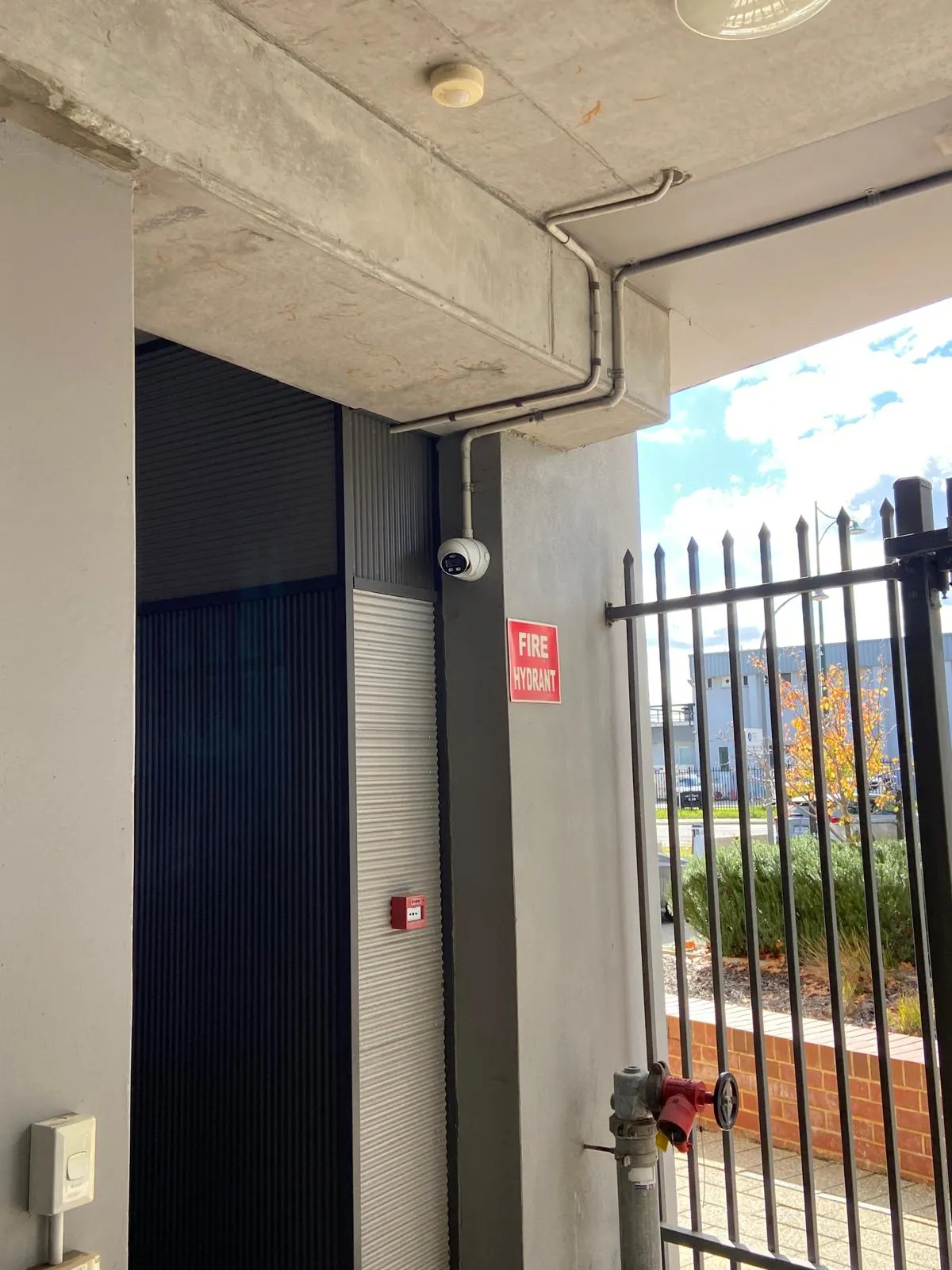
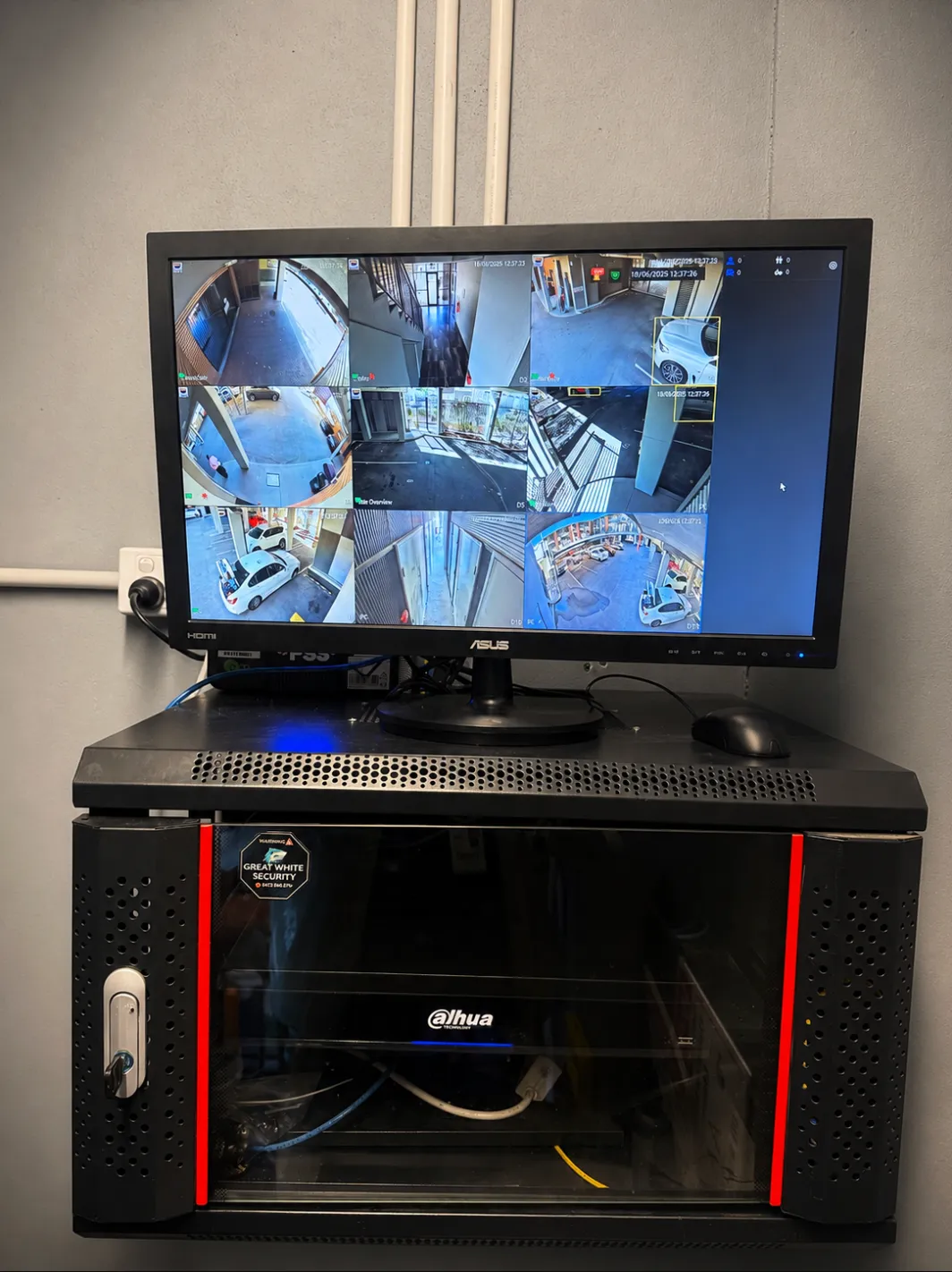
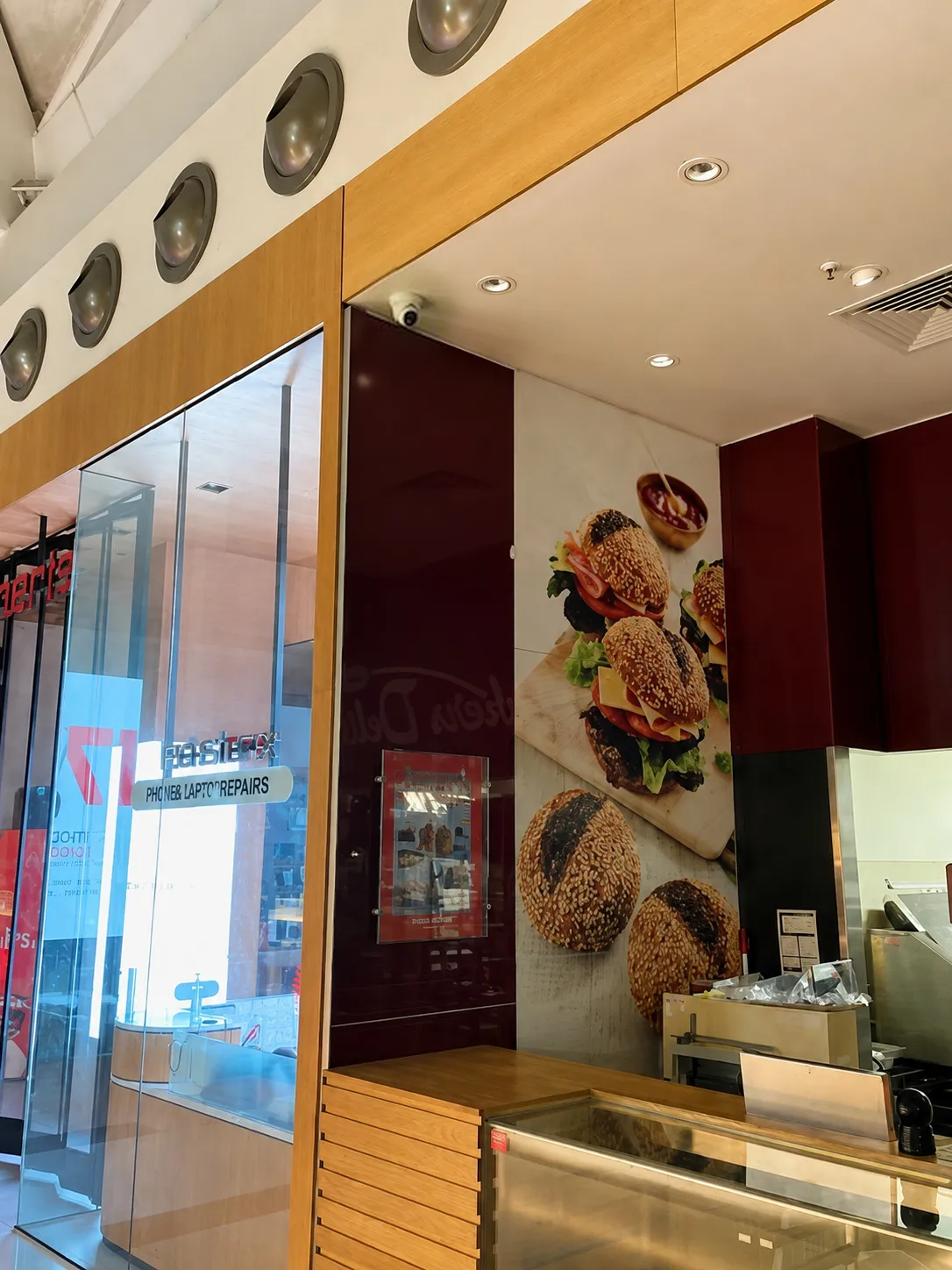
Commercial security cameras Perth for businesses that need the right camera in each position rather than a box of identical ones: entrances that identify faces, counters that show hands and cash, yards and car parks that read plates at night, and racking aisles that stay usable in low light. We specify, install, commission and maintain camera systems for offices, warehouses, retail, hospitality, strata and industrial sites across Perth.
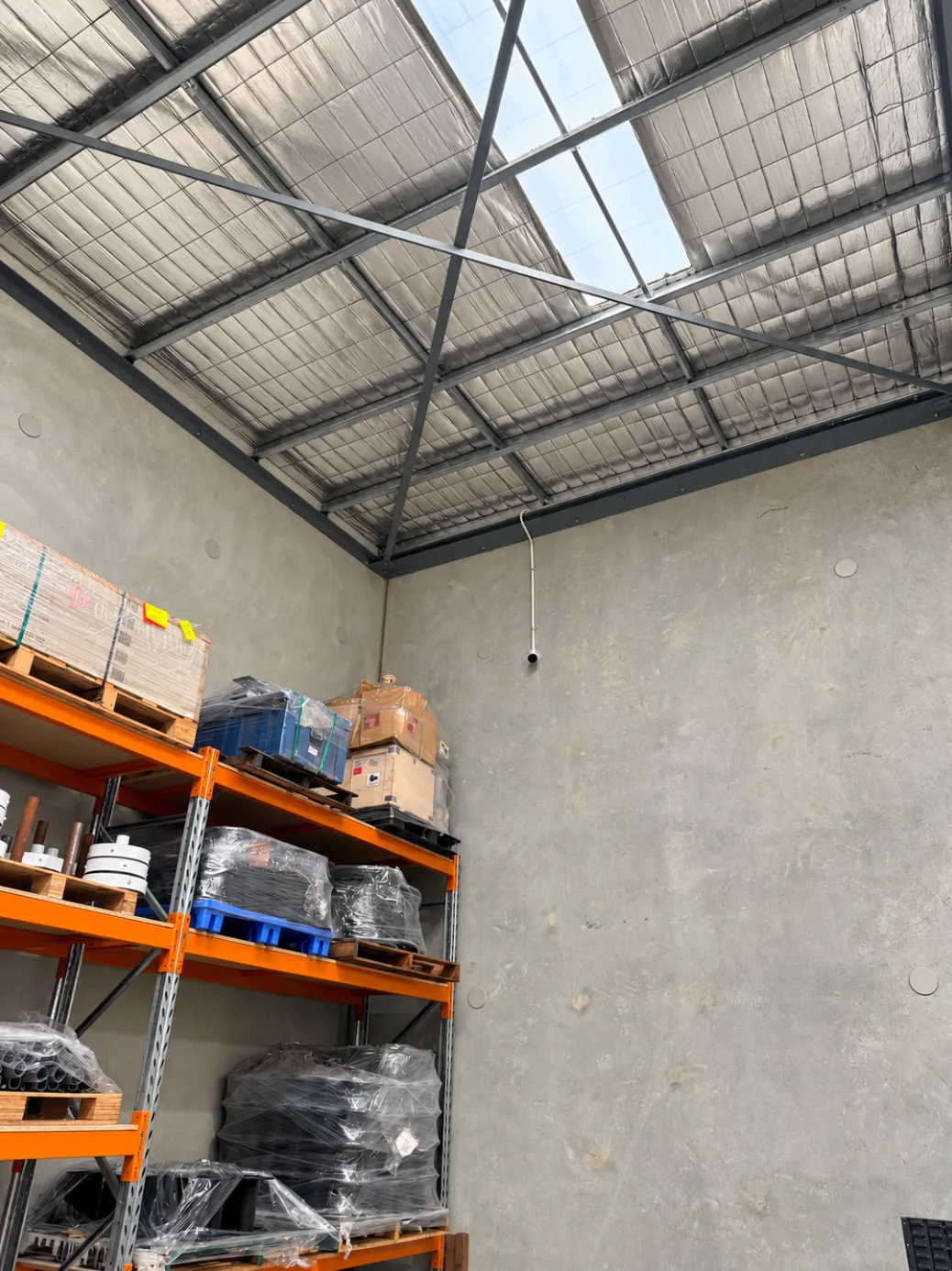
The first question on a commercial site is not which brand, it is what each camera has to prove. A camera at a staff entry needs a face at the door, which means mounting height and lens chosen for identification, not a wide shot of the whole car park. A counter camera needs the till, the hands and the drawer in one frame. A loading dock needs the truck, the plate and the person signing, which is often two cameras rather than one. We walk the site with the owner or manager, write each position down with its purpose, and choose the camera to suit: fixed lens or varifocal, turret or bullet, standard or wide field of view.
This is also where we talk callers out of the single camera that is supposed to do everything. One camera over a warehouse floor shows that something happened; it rarely shows who. Four or six cameras at the entries, dock and office door usually cost less than people expect and produce footage that is actually useful to police, insurers and your own staff.
Outdoor cameras on Perth commercial sites deal with full sun on one side of the building and deep shade on the other, so we check where the sun sits at opening and closing time before fixing a bracket. Entrances that face west get a camera with strong backlight handling or a second camera inside the door. Yards, car parks and rear lanes are covered with cameras that either hold colour at night with the site's existing lighting or switch to infrared cleanly, and we tell you which you are getting and why. Plate reading at a gate is its own specification: a camera angled low along the approach, not the wide camera on the corner of the building.
Camera count, resolution, frame rate and how many days you want to keep decide the recorder and its storage, so we size the hard drive from those numbers rather than fitting whatever is on the shelf. Most commercial sites settle on 30 days of continuous or motion-based recording; sites with a higher claims or incident history go longer. Our footage retention guide explains how long Australian businesses typically keep footage and why. Where the business wants a copy off site, cloud or second-site backup of selected cameras is added rather than replacing local recording.
Remote viewing is set up on the owner's and managers' phones at handover, with separate logins so a site manager can review footage without being the administrator. Multi-site businesses get the same app and layout at every store so the person in head office is not learning a different system per location.
Installation is carried out by our WA Police licensed security installers, with cabling run in conduit or ceiling space to the recorder location, PoE switching sized for the camera count, and a UPS where the business wants recording to continue through a short outage. Every camera is aimed and focused on site with the customer looking at the screen, then the recorder, retention and remote access are tested before we leave. Login details and an app walk-through are part of handover.
Camera systems on commercial premises in WA sit under the Surveillance Devices Act 1998, which shapes where cameras can point and how staff are told; we position cameras away from areas where people expect privacy and quote entry signage with the install. Eligible small businesses can read the current terms of the SBDC CCTV rebate on the SBDC site, and we build to that specification when a business intends to apply. Registering the cameras on Cam-Map WA lets police know footage exists at your address without giving them access to it.
A good share of our commercial camera work is on sites that already have cameras: an older analogue or HD-over-coax system that records but cannot identify anyone, a recorder with the password lost when the last installer moved on, or a business that has outgrown four cameras and wants the yard covered too. We reuse cabling that tests clean, replace cameras position by position where that makes sense, and set the new recorder up so old and new cameras record together during the changeover.
After the install, cameras drift, lenses fog, recorders fill and firmware ages. Business owners can have us back as needed or put the camera system on a commercial maintenance agreement alongside the alarm and access control so one visit checks everything. Repairs on existing systems are covered on our CCTV maintenance and repairs page.
It depends on the number of entry points, whether cash is handled, whether vehicles or stock are the main risk, and how large the yard or floor is. Most small commercial sites land between four and eight cameras: entrances, counter or office door, rear door and dock, and the car park or yard. We write the positions down with their purpose before quoting, so the count comes from the site rather than a package.
Yes, if the camera is chosen for the lighting that is actually there after hours. Cameras that hold colour under existing site lighting suit lit car parks; infrared cameras suit dark yards and rear lanes. Plate reading at night is a separate camera angled along the approach. We check the position at the time of day that matters before specifying.
Yes. Remote viewing is set up on the owner and nominated managers phones at handover, with separate logins so staff can review footage without administrator rights. Multi-site businesses get the same app layout at every location. Where the site has no reliable internet, we design around a 4G or point-to-point link.
Thirty days is the usual starting point for Perth businesses, with longer retention for sites with incident or claims history. Retention is set by storage size against camera count, resolution and frame rate, so we size the recorder from those numbers. Our footage retention guide explains the common practice and the reasons behind it.
Yes, when the business intends to apply. The rebate terms, eligibility and whether the program is currently open are published on the SBDC website and change over time, so we build to the current specification and refer you to that page for the application itself. The rebate is the business owner’s application to make.
The main variables are camera count, how many positions need specialist cameras such as plate reading or wide low-light coverage, cable distances and whether cabling exists, recorder size and retention, and whether a UPS, signage and remote access are included. Send photos of the entrances, yard and recorder location, or ask for a site walk, and we will quote from the actual positions.
Photos of the entrances, counter, yard and where the recorder would live, plus how many days of footage you want to keep. A floor plan with the camera positions marked is better again. We will come back with a camera-by-camera quote, or arrange a site walk if the layout needs one.