Pilot store first, then the roll-out

Security Systems for Retail Groups WA

Security systems for retail groups WA wide, designed so head office sees every store the same way: one camera platform with the same layout in every location, one alarm account per site reporting to the same monitoring centre, and staff fobs or cards issued and cancelled from a single place. We install, commission and maintain security for multi-site retailers across Perth and regional Western Australia, usually starting with one pilot store and a written kit list the rest of the roll-out copies.

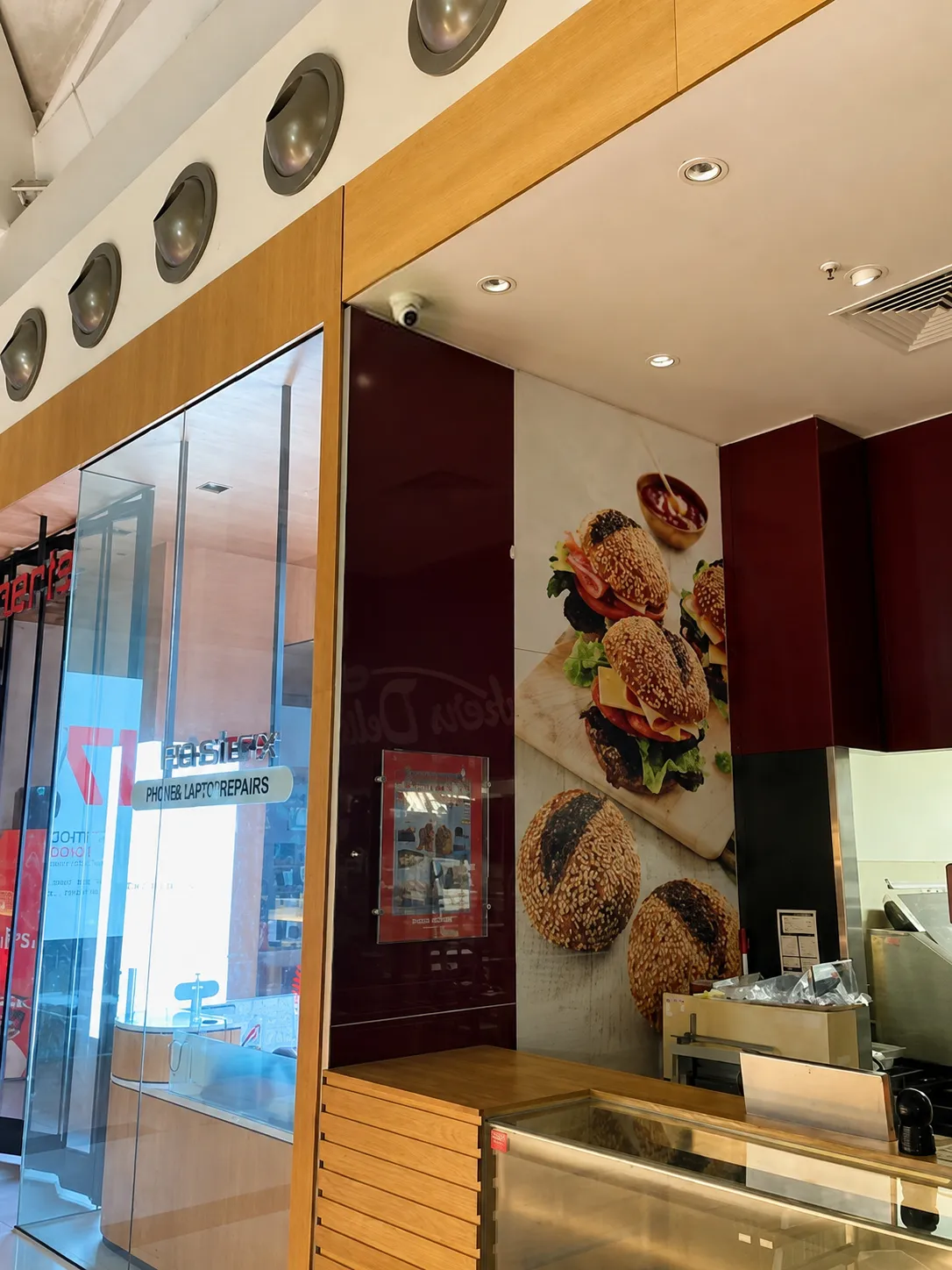
Security systems for retail groups WA: dome camera mounted above a food outlet shopfront inside a Perth shopping centre

One platform, the same at every store

The problem retail groups describe to us is rarely a lack of cameras. It is that store one has a recorder installed by a previous tenant, store two has a different brand chosen by a different manager, and nobody in head office can open either without ringing the store. We fix that by standardising: one camera platform and app for the whole group, one alarm panel family, one access control system, and the same user roles at every site. A state manager logs in once and sees every store in the same layout; a store manager sees only their own.

Which platform depends on the group. For retailers running a handful of stores, a camera system with cloud or site-to-site viewing and a monitored alarm per store is usually enough. Where staff move between stores and need their credential to work at each one, the access control choice matters more: single-site controllers such as Inner Range Inception manage users store by store, while an enterprise platform such as Inner Range Integriti or Gallagher holds every store's doors and users in one database. We set that out in the proposal so the group buys the right tier once rather than replacing it at store twenty.
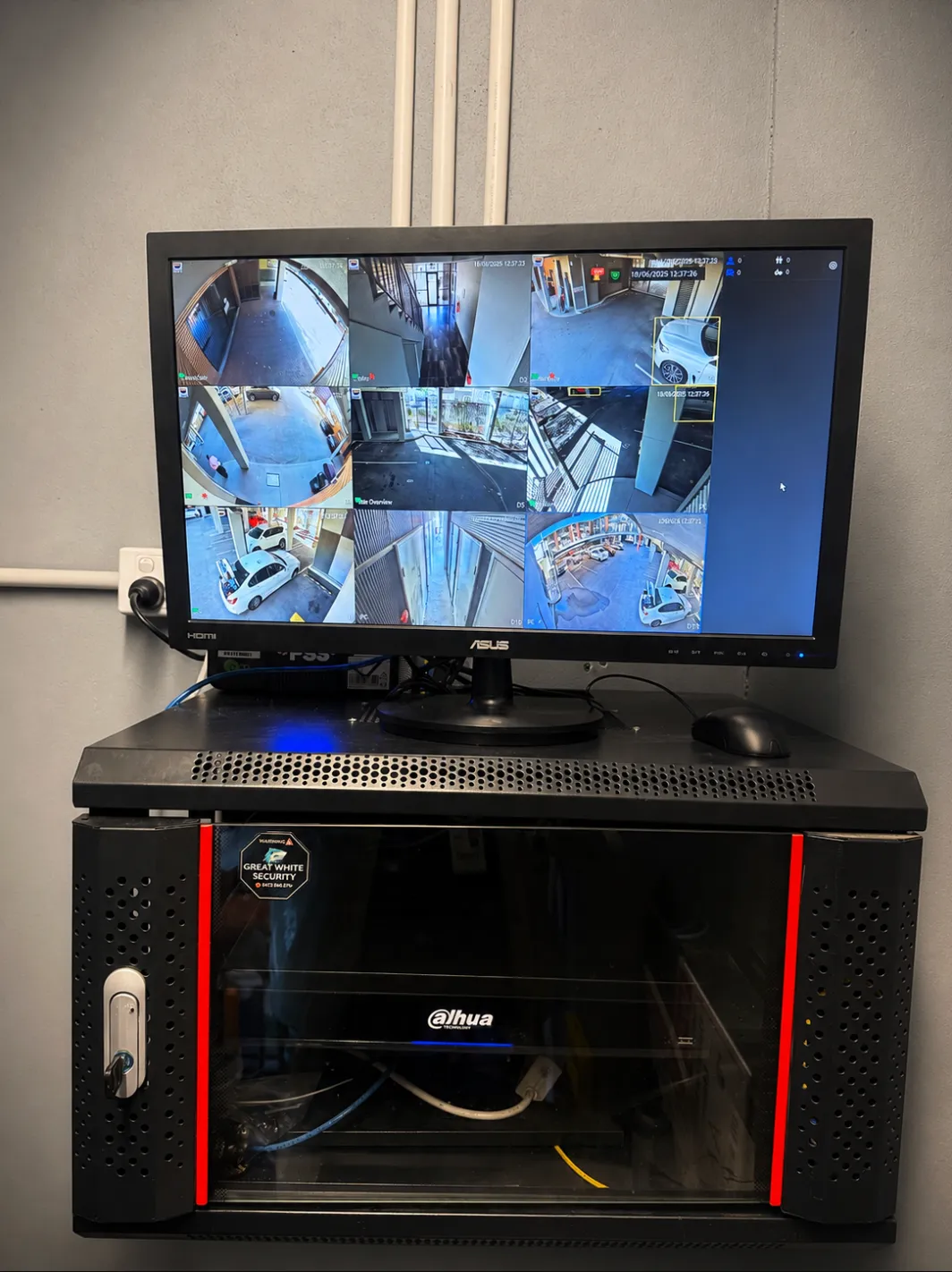
Recorder cabinet and monitor showing live views from nine cameras at a commercial premises

Pilot store, kit list, roll-out

Most group work we do starts with one or two stores. A national retailer with tenancies in Perth shopping centres will trial a camera replacement or a foot-traffic counting system in a pilot store before the rest of the network is approved, and the pilot has to be documented well enough for the next installer or the next state to copy it. We write the camera positions, mounting heights, recorder and storage sizing and cable routes into a kit list that becomes the specification for every following store, with per-store variations noted where a tenancy layout forces them.

  • Pilot store: site walk, camera plan and proposal mockup, install, then a review with the group's project lead before the roll-out is costed.
  • Kit list: camera models by position type (entry, counter, back of house, dock), recorder size per store footprint, alarm zones, door hardware.
  • Roll-out schedule: installs sequenced around trading hours, centre management requirements for after-hours work, and stock lead times for any cameras the group specifies as NDAA compliant.
  • Head office sign-off: we quote per store against the kit list so the approval that gates most multi-site projects is a comparison, not a fresh evaluation each time.

Staff credentials managed from head office

Staff turnover is the quiet security problem in retail. A fob handed to a casual at Christmas is still live in March if cancelling it means ringing the store. On a group access control system, head office or the area manager adds and removes credentials for every store from one login, sets which stores and which doors each person can open, and sees the audit trail the system keeps for each door. Back-of-house doors, cash offices and stock rooms are the usual controlled doors; key fob access control at the staff entry is the common starting point, with time and attendance exports available where the group's payroll system accepts them.

The same thinking applies to alarms. Each store sits on its own monitoring account with its own open and close schedule, so a store opening late or arming early shows up at the group level without anyone phoning around. Our commercial alarm monitoring page explains how the accounts, contact lists and silent duress reporting are set up per site.

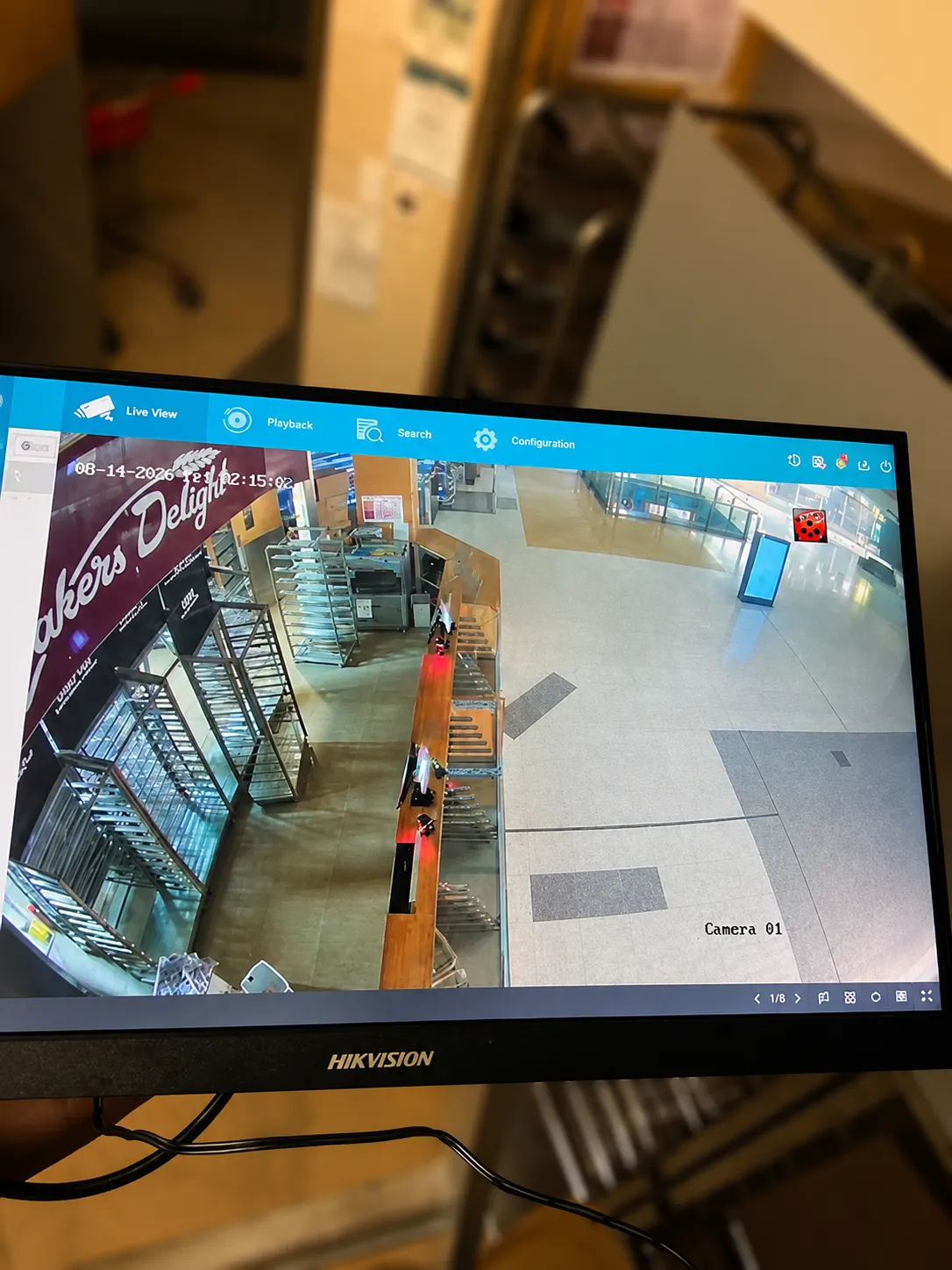
Live view of a bakery counter and shopping-centre walkway shown on a store monitor

Cameras, EAS and counters across the group

Camera layouts in retail are about the counter, the entry and the stock room, in that order. We put the point-of-sale camera where it shows hands, drawer and customer in one frame, the entry camera at face height for identification, and back-of-house cameras over the dock and stock room door. Groups with loss-prevention teams usually want the same camera names and view order in every store so a reviewer can move between sites without relearning the layout. Where stores carry high-shrink lines, EAS pedestals and deactivators are specified with the cameras so the gate alarm and the entry camera line up.

Recording is sized per store from camera count, resolution and the retention the group sets as policy; our footage retention guide covers the usual periods. Camera placement in WA stores sits under the Surveillance Devices Act 1998, so change rooms and staff areas where people expect privacy stay uncovered and entry signage is quoted with each store. Registering store cameras on Cam-Map WA is a simple step we walk the store manager through at handover.

Warning sticker on the glass entry door of a commercial premises

One contact for faults across the portfolio

After the roll-out, the group needs one number for a camera that has gone blank in a store on the other side of the city and one invoice format that the accounts team recognises. We hold a record of every store's equipment, logins and layout, so a fault call from a store manager does not start with "what system do you have". Groups that want scheduled checks put the stores on a commercial maintenance agreement with visits sequenced by location; others call us as faults arise. Either way the kit list is kept current as stores open, close or refit, so a new store next year is quoted against the same specification as the pilot.

Our retail security page covers what a single store needs; this page is for the people responsible for several of them. If the group also manages the centre or the building, the CCTV for facility managers page describes how we work with portfolio managers.

Questions we get asked

Can one security system cover all of our stores?

Yes. One camera platform, one alarm panel family and one access control system can be deployed across every store, with head office seeing all sites and each store seeing only its own. The platform tier depends on how many stores and whether staff credentials need to work across sites. We set out the options in the proposal before the pilot store is installed.

Do you install in shopping centre tenancies?

Yes. Centre tenancies bring their own rules: induction for contractors, after-hours access windows, ceiling and cabling restrictions and sometimes a centre-nominated cabling route. We work within the centre management requirements for each site and schedule the install around trading hours so the store does not close for the work.

How do you handle a roll-out across stores in different suburbs or regions?

We start with a pilot store and a written kit list, then quote each following store against that list with only the site-specific differences priced separately. Installs are sequenced by location and stock availability. Regional WA stores are quoted with travel included and grouped so several stores in one region are done in one trip.

Can head office add and remove staff access without calling the store?

Yes, on a group access control platform. Credentials, door permissions and schedules are managed from one login by head office or the area manager, and the system keeps a per-door audit trail that the group can view at any time. Store-level systems such as Inner Range Inception can still be used where each store runs independently.

Can we specify cameras that are not made in China?

Yes. Some groups, particularly those supplying government or operating under a parent company policy, specify NDAA compliant cameras. We supply and install brands that meet that requirement and note the lead times in the roll-out schedule, since some models are not held in local stock.

What does security for a retail group cost?

The main variables are the number of stores, cameras and doors per store, whether an enterprise access platform is needed for cross-site credentials, recorder and retention per site, monitoring accounts, EAS where stock warrants it, and travel for regional stores. Send us the store list with approximate sizes and we will scope a pilot store and an indicative per-store figure for the roll-out.

Send us the store list

Store names and suburbs, approximate floor area, what is installed today if anything, and whether staff move between stores. We will come back with a pilot store scope and an indicative per-store figure for the roll-out, or arrange a walk of the store you would start with.