Commercial Alarms Perth
Commercial Alarm Systems Perth
Business alarms should match how your site operates: zones aligned to premises layout, staff access that’s manageable, and configurations that reduce false alarms.
Commercial alarm systems Perth businesses call us about are rarely blank-slate installs. Most of the alarm enquiries we took in the last few months fall into four patterns, and the quote is shaped by which one you are in.
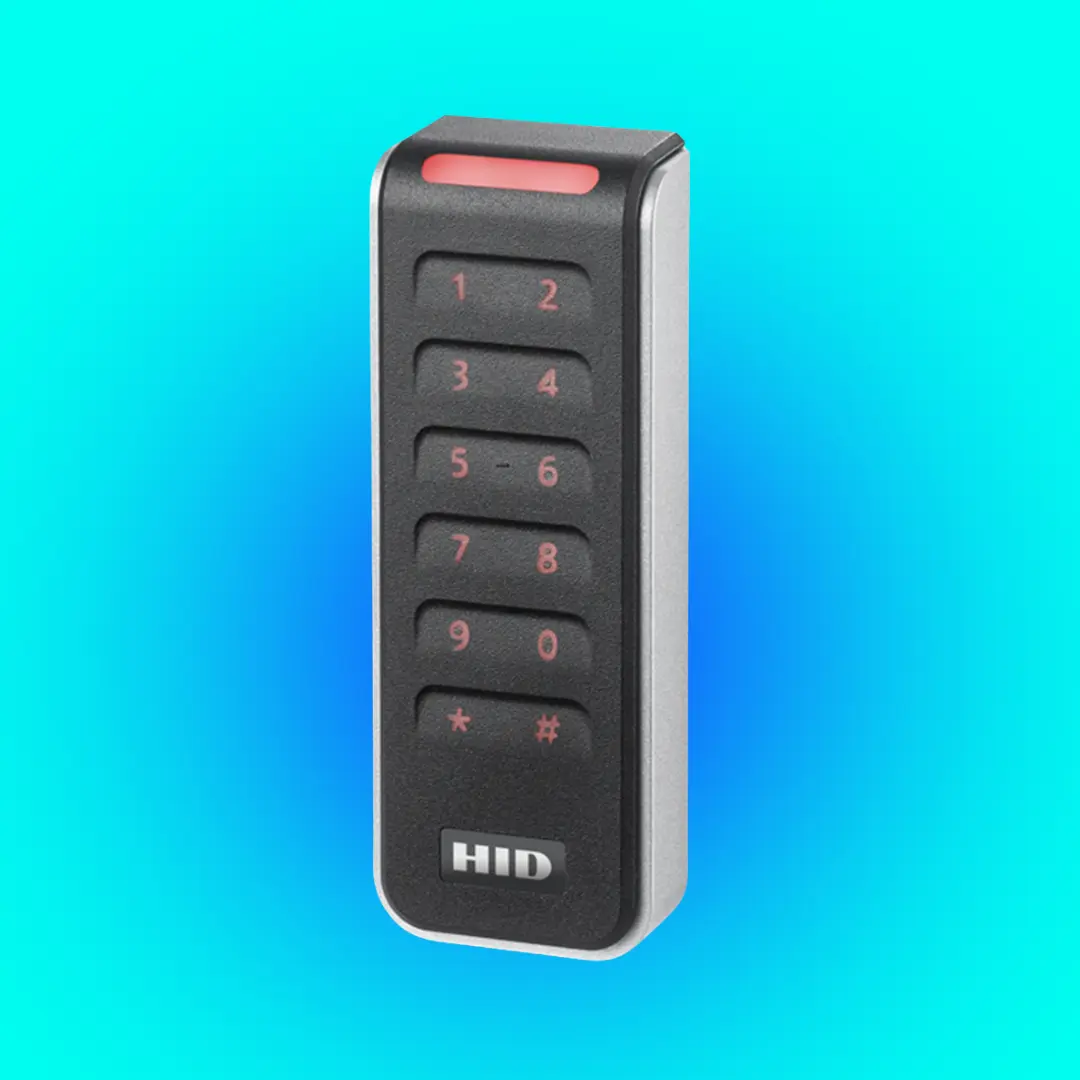
A retailer moved into premises with a DSC panel already on the wall, no codes, no manual and no installer to call, and simply wanted someone to show them how to set it. That is a takeover job: identify the panel, recover or default the programming where the hardware allows it, issue fresh user codes, and walk the staff through arming and disarming before we leave. If the panel is end of life we say so and quote a replacement rather than patching it.
A medical centre's cleaner messaged us asking whether we could arm the building for them remotely. The better answer is a system set up so they never need to ask: a code or app login per person, each limited to the hours they should be on site, and an open and close log that shows who armed what and when. Where the panel supports it, a manager can also arm from their phone when someone forgets.
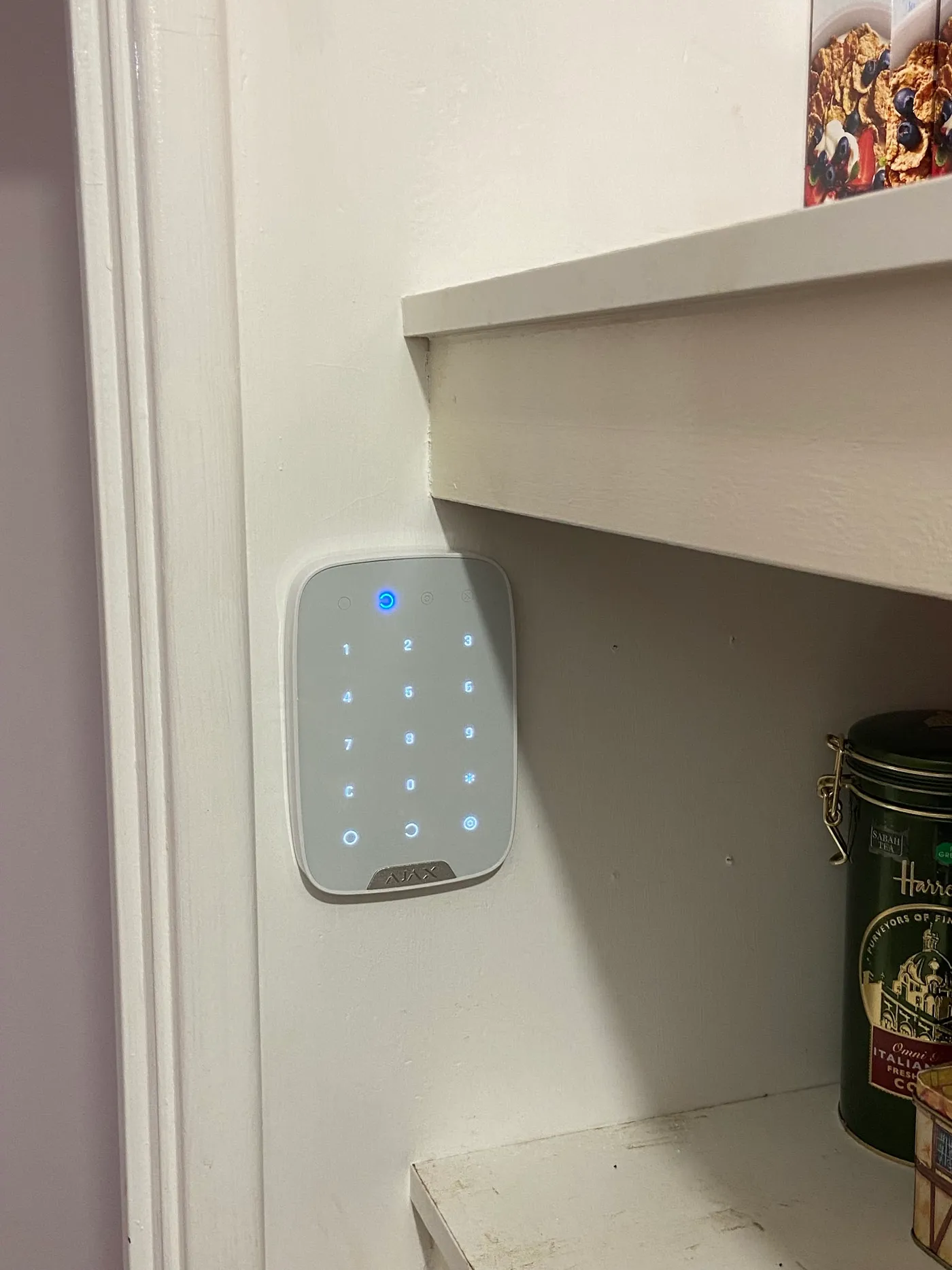
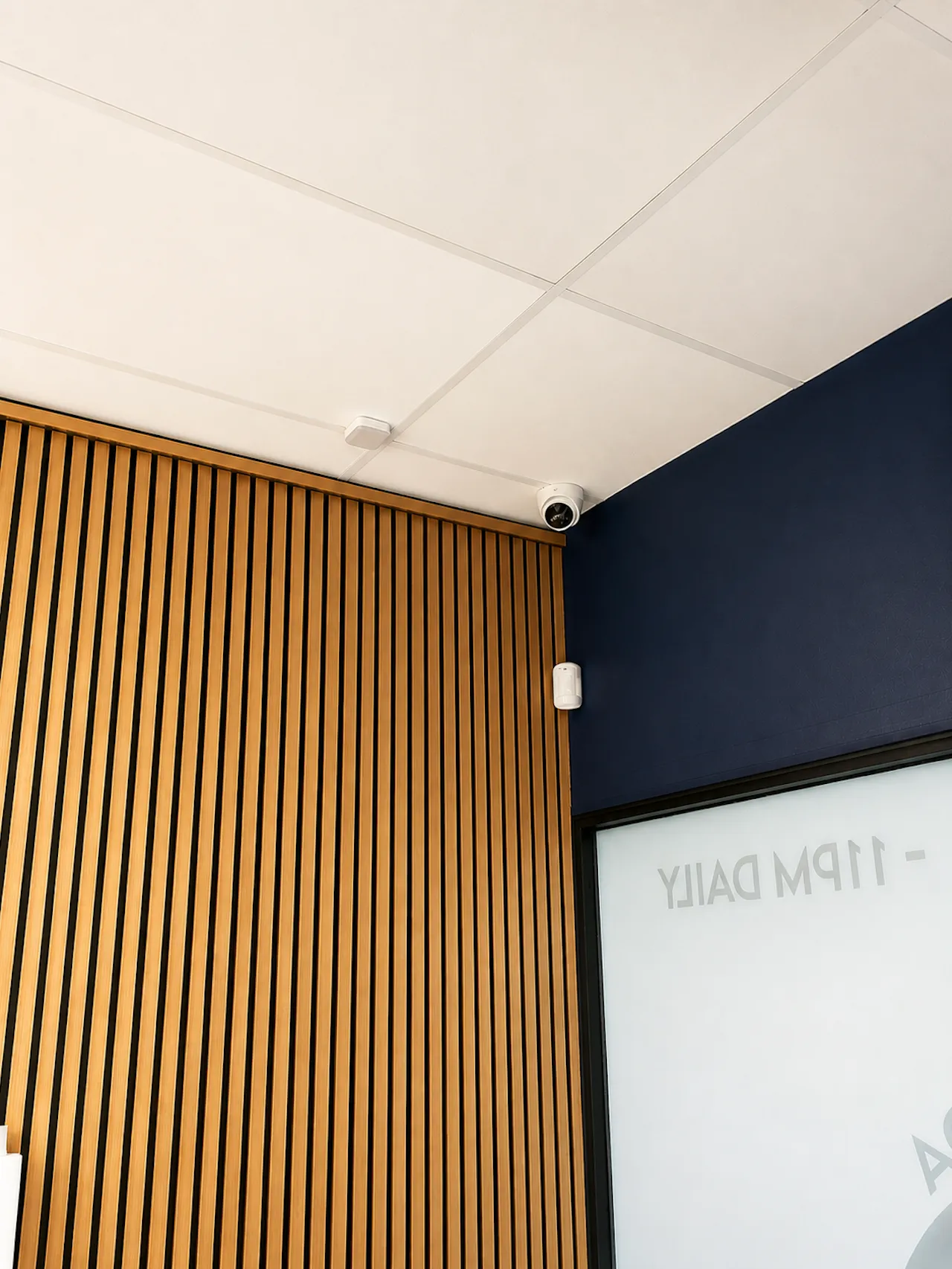
A business that had been with another security company for years asked us to weigh professional monitoring against the phone notifications they already relied on. Our honest read is on this page under the monitoring options: app alerts suit an owner-operator who is close by and will act on them; commercial alarm monitoring suits premises with stock, cash, plant or an insurer that expects a monitored system. Either way the hardware is the same, so the decision can change later without a new panel.
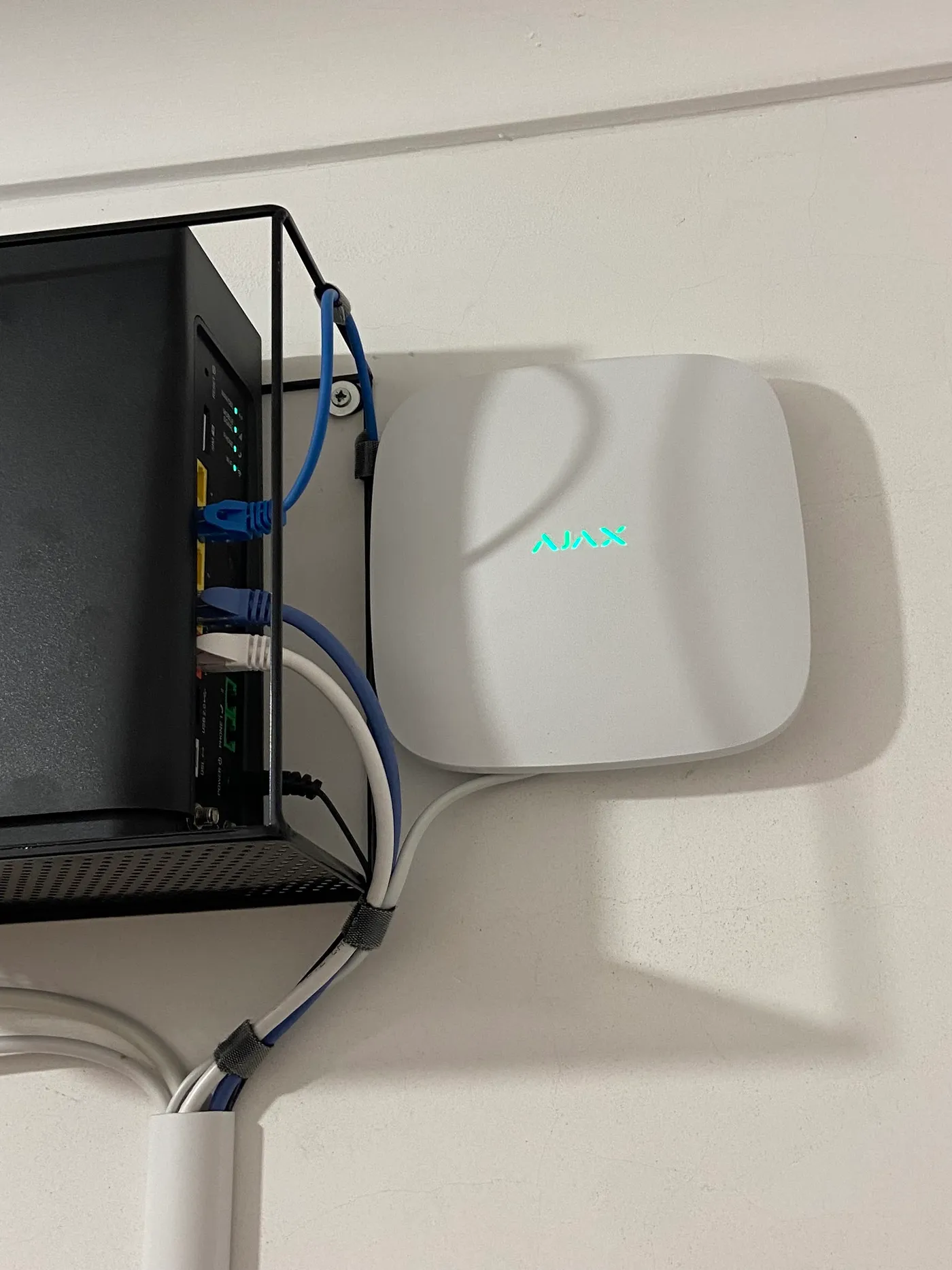
A commercial fit-out specified as a Bosch Solution 6000 with seven detection devices, a Malaga factory swapping an older panel for a Solution 6000, and Welshpool premises running alarm and door tags on Inner Range are the shape of the bigger jobs. The pattern is consistent: Tecom or Inner Range where there are many areas, users and doors to manage, Bosch Solution for small to medium premises that want a dependable keypad-driven system, and Ajax where a finished fit-out makes cabling impractical.
The proposal sets out the panel family, every detector and its location, the keypads and comms path, the user and schedule setup, and whether monitoring is included, as line items you can compare. Login details and an app walk-through are part of handover. Scheduled testing and battery replacement can be placed on a maintenance agreement if your site wants it.
Commercial alarms need to be easy to manage: who can arm/disarm, what happens if someone forgets, and how to avoid repeated false alarms that waste time. We design zones, manage users, and configure alert pathways to fit your business.
The alarm hardware is only half the decision — what happens when it activates is the other half. We set up whichever response model fits your business.
Your alarm reports to a professional control room around the clock. Operators follow your escalation plan — verifying the event, calling keyholders in order, and arranging patrol attendance where you've opted for it.
Best for premises with stock, cash, plant, or insurance requirements that expect a monitored system.
The system pushes activations, arm/disarm events, and health alerts to your phone. You decide who responds. Works well combined with CCTV so you can verify what triggered the alarm before acting.
Best for owner-operators who are close to their premises and want no ongoing monitoring fees.
Sirens and strobes deter and alert neighbours, and the system still logs every event. Some businesses run local-only alarms on low-risk sites or as an interim step before adding monitoring later.
Best for low-risk sites — and easy to upgrade to monitored later without changing the hardware.
Zone design changes completely between a stockroom, a surgery, and a strata lobby. We design commercial alarm systems around how each site actually operates.
After-hours protection for suites and server rooms, with arming schedules that match your opening hours and per-staff user codes.
Roller door reeds, high-mount detectors above racking, and zones that separate dispatch, stock, and office areas.
Stockroom and after-hours protection with duress options at the counter and CCTV integration for fast incident verification.
Drug safe and dispensary zones, compliance-driven monitoring, and duress integration for staff safety.
Plant room, storeroom, and common-area protection that strata managers can administer without site visits.
Cash office and cellar zones, late-close arming schedules, and integration with venue CCTV systems.
Commercial alarm quotes vary widely because the systems do. These are the factors that actually move the price:
Commercial alarm pricing depends on the size of the premises, the number of zones and detectors, whether the system is monitored, and what it needs to integrate with. A small office needs far less hardware than a warehouse with roller doors and high-value stock areas. We quote from a site walkthrough or plans rather than guessing — every quote itemises the system so you can see exactly what you're paying for.
An unmonitored alarm alerts whoever is nearby and sends app notifications; a monitored alarm reports to a professional control room that follows your escalation plan — calling keyholders and arranging patrol response where you've opted for it. Businesses with stock, cash, or compliance obligations generally choose monitoring because an alarm nobody acts on at 2am protects very little. Many insurers also ask whether the system is back-to-base monitored.
Usually, yes. We regularly take over commercial alarm systems where the original installer is gone or the monitoring contract has lapsed. We assess the panel, detectors, and communications path, bring the programming under control, and either connect it to monitoring or upgrade ageing components while reusing sound cabling and detectors to keep cost down. See our alarm repairs service if your current system is faulty.
False alarms usually come from poor zone design, wrong detector selection, or user error. We design zones around how the site actually operates, use dual-technology detectors in problem areas, set entry and exit timers that match real staff behaviour, and configure user codes so arming mistakes are caught. Fewer false alarms means staff trust the system, and monitored response stays meaningful.
We install and service commercial alarm systems from Ajax, Bosch, DSC, Tecom, and Alarm.com, and we repair and take over most other major alarm brands already installed in Perth businesses. The right panel depends on the site: wireless Ajax systems suit fitted-out premises where cabling is difficult, while hardwired panels remain a strong choice for new fitouts and larger sites.
Tell us about your premises and we'll design a commercial alarm system around how your business actually runs — with an itemised quote, not a guess.
A commercial alarm earns its keep when the signals reach someone who acts on them. Our commercial monitoring accounts cover intrusion, silent duress, open/close reporting, mains and comms failure and camera verification through a Grade A1 monitoring centre, with each site on its own client code and contact list. Existing panels can be taken over without replacing the system.
Commercial alarm monitoringThe panel family is chosen for the site: Tecom for larger premises that need many areas, users and integrated access, Bosch Solution for small to medium businesses that want a dependable keypad-driven system, and Ajax or Inner Range where the site is already on those platforms. Each has its own installer page.