WA Small Business CCTV Rebate 2026: How to Be First in the Queue
The state will pay WA shops and customer-facing businesses up to half the cost of an internal CCTV system, capped at $2,000 ex GST. It is first-come and the pool is limited. Here is how the program works and what to have ready before the gate opens.
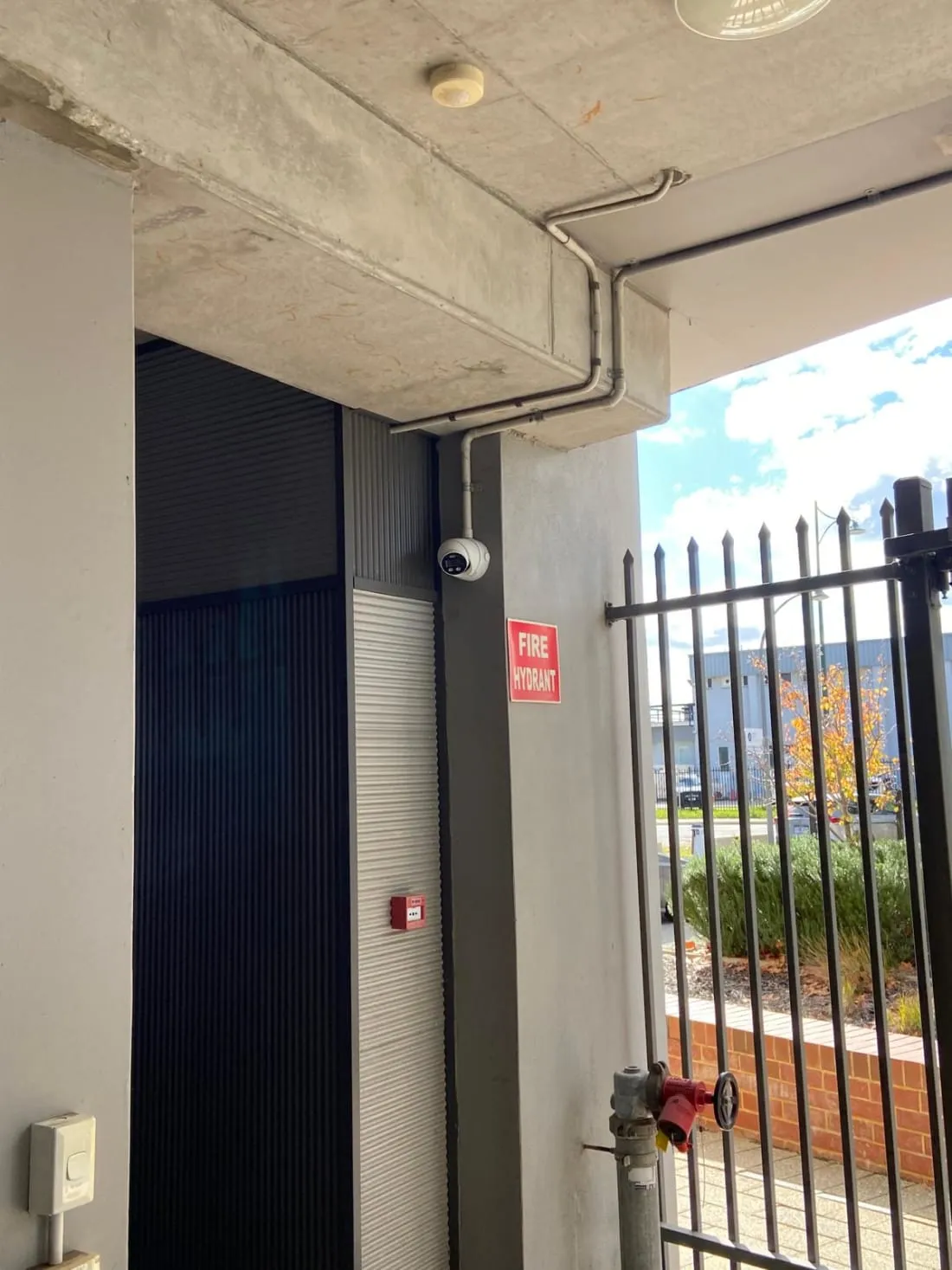
WA Small Business CCTV Rebate: the key facts
- What: a once-off rebate of up to 50% of the cost of a new or upgraded internal CCTV system, excluding GST, capped at $2,000.
- Who runs it: the Small Business Development Corporation (SBDC) with Crime Stoppers WA, through the SmartyGrants platform.
- Who qualifies: WA retail or customer-facing businesses with a physical premises, fewer than 20 employees, an active ABN and GST registration.
- System minimum: hard-wired cameras covering the entrance and point of sale, 5MP on every camera, a 3TB recorder, night recording, time stamps, USB export.
- Installer: must hold a WA Security Installer Licence; DIY and wireless systems are excluded.
- Timing: pre-approval first, install within 60 days, completion form within 14 days. First-come on complete applications; closes when funds run out.
- Status: applications not yet open as at October 2026; quotes must be dated after 6 October 2026.
The Small Business Development Corporation, working with Crime Stoppers WA, has published a CCTV Rebate for Western Australian retail and customer-facing small businesses. The idea is simple: fewer offences against small shops, and footage police can use when something happens. The money is real, the conditions are specific, and the program is designed so that the businesses with their paperwork ready get funded and the rest find the round closed.
Status at the time of writing (October 2026)
The SBDC page says applications "will open soon" and takes registrations to be notified. Quotes must be dated after 6 October 2026. The program closes when the funding target is reached. We are a licensed security installer, not part of the SBDC; everything below is our reading of their published terms, and the official page at smallbusiness.wa.gov.au/cctv is the one that counts.
The offer in one paragraph
A once-off rebate of up to 50 per cent of the cost, excluding GST, of a new internal CCTV system or an upgrade to an existing one, to a maximum of $2,000. The system must be installed by a licensed security installer after the business has received written pre-approval. The rebate is paid after the install, against the invoice. Three-quarters of the pool is set aside for metropolitan applicants and a quarter for regional.
What the cap means
$2,000 is the most the SBDC will pay, not the price of a system. The rebate is a share of your invoice, so a larger system still carries a larger out-of-pocket cost; the rebate takes a meaningful amount off, it does not make the install cost $2,000. The final figure is at the SBDC's discretion, will not go above the pre-approved amount if your cost rises, and may come down if the final invoice is lower than the quote.
Who it is for
The eligibility list is tighter than the headline suggests. At the time of applying, and for the whole project, the business must:
- be a retail or customer-facing business in WA, meaning it sells goods or services directly to the public from a physical storefront or service location;
- have fewer than 20 employees by headcount, counting full-time, part-time and casual staff, but not owners, non-executive directors or contractors;
- be operating, with an active ABN, and be registered for GST;
- not be insolvent, in administration or being struck off, have no bankrupt or undischarged directors, and have no unresolved grant acquittals;
- not be a subsidiary of a corporate group with 20 or more employees in total.
Government-owned properties at any level are excluded. One application is allowed per retail property. If you lease, you need the landlord's or agent's written consent before you apply, and it goes in with the application.
In practice this is cafés, bottle shops, pharmacies, salons, newsagents, gyms, small supermarkets, phone repairers, pet shops, bakeries, vets and allied-health rooms with a reception counter. If the public pays you across a counter, read on.
Why "first in the queue" is the whole game
Three design choices in the program decide who gets paid.
It is assessed first-come. The SBDC says the date and time a complete application is submitted sets its place in the queue. Not when you started it, not when you registered interest: when a complete application landed.
Incomplete applications do not get a place. An application without a valid quote, a missing landlord letter, a photo instead of a PDF, is not in the queue at all. The SBDC may ask for the missing piece, but says that depends on volume and that complete applications are prioritised. Submitting placeholder documents to grab a spot gets the application declined.
The round closes when the money runs out. Anyone mid-application at that point sees a "round closed" message and cannot submit.
Put those together and the strategy writes itself: have every document, including a compliant installer's quote, uploaded to your SmartyGrants account before the round opens, so that lodging on day one is a matter of minutes. The SBDC itself recommends registering on SmartyGrants early and using SmartyFile to pre-load documents.
The pre-opening checklist
| Item | Detail | Who |
|---|---|---|
| SmartyGrants account | Registered, with documents pre-loaded to SmartyFile | Business |
| Shopfront photo | Current photo of the front of the premises | Business |
| Landlord consent | Written approval from the owner or agent if you lease | Business |
| Bank statement | Most recent statement for the account the rebate is paid into, unredacted PDF | Business |
| ABN and GST check | ABR record shows active ABN and GST registration | Business |
| Installer quote | Dated after 6 October 2026, lists every item of the minimum specification, carries the installer's licence number and name; the SBDC suggests two or three quotes | Installer |
Every document has to be an unredacted PDF. The SBDC says PNG, JPG and Word files are not accepted, and that the bank statement is required to validate eligibility and guard against fraud.
What the system has to be
The quote, and then the install, must meet the SBDC's minimum technical standard:
- hard-wired cameras, with at least one on the customer entrance and one on the point of sale;
- 5 megapixels or better on every camera;
- a recorder with a hard drive of at least 3 terabytes;
- infrared or low-light capability so it records at night;
- a time and date stamp on all footage;
- footage exportable in a standard video format to a USB drive.
Wireless and battery-powered systems are excluded outright, and the SBDC explains why: they rely on an internet connection, have limited range, carry a hacking risk, and go dark when the batteries are not recharged. The program does not name or endorse any brand; the choice is yours, provided the system meets the standard and is installed hard-wired by a licensed security company.
For a typical shop that is a modest system: a camera at the door set for faces, a camera over the till and counter, one or two more covering the floor and the back door, a recorder with a 3TB or larger drive, signage, and the export and time-stamp settings checked at handover. If you already have an old analogue system, an upgrade to this standard also qualifies, as long as it is done after pre-approval. Our rebate-spec CCTV installation page maps each requirement to how we build it.
The licensed-installer rule
The system must be installed by a current WA Security Installer Licence holder, working for a business that holds a Security Agent Licence under the Security and Related Activities (Control) Act 1996. The SBDC does not keep an approved-installer list; WA Police hold the list of licence holders, and the SBDC tells applicants to ask any installer for their licence number. A security agent or consultant can prepare the quote for pre-approval, but the person doing the physical install needs the installer licence.
DIY installs are excluded, and the SBDC notes the system does not have to be supplied by the installer, so a business could in principle buy equipment separately and pay a licensed installer to fit it. Whether that is wise is another matter; the installer is the one who has to put their licence number on a quote that says the system meets the specification.
After pre-approval: two clocks start
The pre-approval email is the starting gun, and the SBDC is explicit that installing before it arrives makes the work ineligible. Once it lands:
- 60 days to have the system installed, fully paid, with a tax invoice that lists the technical specifications and proof of payment in hand.
- Inside that window, register the system on the WA Police Cam-Map and keep the confirmation email.
- 14 days after the install to submit the Service Completion form from the link in the pre-approval email.
- If the SBDC asks for anything, five working days to answer.
The rebate is paid after the completion form is accepted. The system has to be fully paid for first; the rebate reimburses, it does not fund the install up front.
The obligations that come with it
Most of these are things any WA retailer with cameras already has to do under the Surveillance Devices Act 1998, but the rebate makes them conditions of the money:
- tell staff, including new starters, in writing that surveillance devices are in use, and explain what is expected of them around privacy;
- keep cameras visible and put signs at every entrance so staff and customers know recording is in operation;
- no cameras in fitting rooms, showers, toilets or change rooms;
- keep the field of view off neighbouring private property, and tell neighbours if their premises are visible;
- keep the system in working order;
- store footage securely and give it to WA Police when they ask; refusing can lead to the SBDC recovering the rebate;
- keep records for 12 months after payment;
- take part in an evaluation survey or an audit if selected, and the SBDC says some audits will include a physical inspection of the cameras.
The SBDC's own FAQ also flags audio: recording conversations is tightly regulated in WA, and most retail systems disable audio entirely. And it notes the Privacy Act applies to businesses turning over more than $3 million or handling sensitive data, which will not catch most eligible applicants but is worth knowing.
Frequently asked questions
When do applications for the WA small business CCTV rebate open?
As of October 2026 the SBDC page says applications will open soon and offers a notify-me form. No date is published. Quotes must be dated after 6 October 2026, which is the clearest signal that the round is imminent.
Is the rebate paid before or after the install?
After. You apply for pre-approval first, install within 60 days of the pre-approval email, pay the installer, lodge the completion form within 14 days of the install, and the rebate is paid against the invoice and proof of payment.
Can an accountant, adviser or installer lodge the application for me?
No. The SBDC states that applications cannot be submitted by a third party, including suppliers, and must come from an owner, partner, director, manager or other responsible person in the business.
Why does the rebate exclude wireless cameras?
The SBDC gives four reasons: wireless systems depend on an internet connection and lose footage when it drops, their signal range is limited, they carry a hacking risk, and battery cameras stop working when nobody recharges them. The program funds hard-wired systems only.
What is a Class 2 security installer licence?
A licence under the WA Security and Related Activities (Control) Act 1996 that authorises a person to install, maintain and repair security alarms and CCTV. WA Police keep the list of current holders. The SBDC says to ask any installer for their licence number before accepting a quote.
Does the rebate apply if we have more than one shop?
Yes, one application per retail property, one property per application. Each shop needs its own quote, its own landlord consent if leased, and its own lodgement.
Get the quote done before the round opens
Tell us the shop and whether you own or lease. We will visit, design to the SBDC specification and issue a quote in the format the application needs, with our licence details on it, so you are lodging complete on day one.