Security Camera Laws in WA: What You Can and Can't Film
Can I point a camera at the street? Can I record audio? My neighbour's camera looks into my yard — is that legal? The practical picture, from installers who work inside these rules daily.
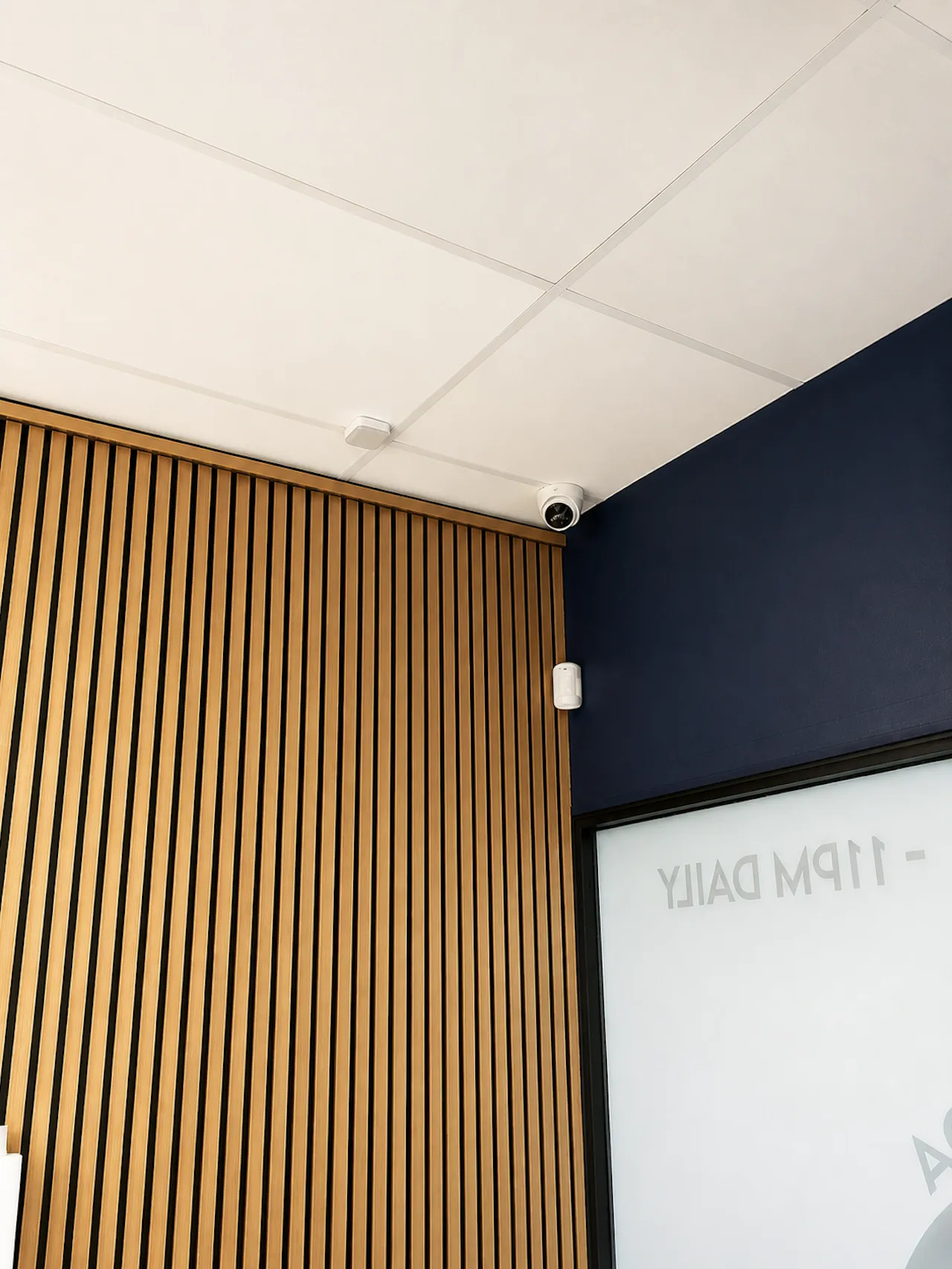
Every week someone asks us a version of the same three questions. The answers live in the Surveillance Devices Act 1998 (WA), a piece of legislation written before video doorbells existed but which still governs every camera we install.
The Necessary Caveat
We're security installers, not lawyers. This is general information about how the law is commonly understood and how we apply it in practice — it is not legal advice. For a live dispute or anything with money or court attached, talk to a lawyer.
The Law in One Paragraph
The Surveillance Devices Act 1998 (WA) regulates three kinds of devices: listening devices, optical surveillance devices (cameras) and tracking devices. The core offences are using a listening device to record or monitor a private conversation, and using an optical surveillance device to record or observe a private activity, without the consent of the people involved. Breaches carry criminal penalties — for an individual, in the order of a $5,000 fine or 12 months' imprisonment for the core offences — and there are separate restrictions on publishing or sharing material recorded in breach. The Act doesn't ban home CCTV; it bans pointing surveillance at other people's private moments.
The two load-bearing phrases are "private conversation" and "private activity" — broadly, ones where the participants could reasonably expect not to be overheard or observed. Someone walking down a public footpath isn't engaged in a private activity. Someone in their bathroom obviously is. Most real-world questions are about the territory in between.
Filming Beyond Your Boundary
Your own property: film away — your driveway, porch, backyard, shed. That's the design case for home CCTV.
The street and verge: cameras that incidentally capture public space — the footpath, the road, your verge — are generally accepted, and are exactly what WA Police's Cam-Map register and several council rebate schemes encourage. People in public view generally aren't engaged in a "private activity".
Your neighbour's property: this is where trouble starts. A camera deliberately aimed into a neighbour's backyard, windows or pool area is aimed at spaces where people reasonably expect privacy — the classic "private activity" territory, and separately a reliable way to start a war over the fence. Incidental edge-of-frame capture of a neighbour's front yard is a different thing from a camera angled at their living spaces.
How we install around this: angle cameras down and along your own approaches, use privacy masking (modern Hikvision, Dahua and Ajax cameras let us black out zones in-frame permanently) to blank a neighbour's windows, and document the coverage. If a neighbour ever complains, showing them a masked view usually ends the conversation.
Audio Is the Trap
Most people worry about video; the sharper legal edge in WA is audio. Many modern cameras and video doorbells ship with microphones on by default — and recording a private conversation without consent of the parties is squarely what the Act's listening-device provisions target. Two tradies chatting at your front door, neighbours talking near the fence line: that's conversation territory, and your camera recording it is a very different legal proposition from filming.
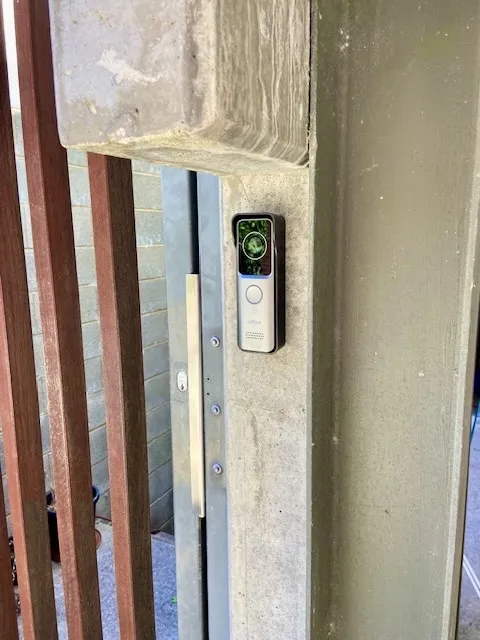
Our default on residential installs is to disable or carefully consider camera microphones, especially on cameras covering shared or boundary areas. Doorbell audio during an active two-way call you're a party to sits differently from a mic passively recording the street. If audio matters to you, raise it at quote time and we'll set it up thoughtfully.
Neighbour Disputes
If a neighbour's camera appears to point into your home:
- Talk first. Nine times out of ten it's thoughtless placement, not spying, and most cameras' actual field of view is narrower than the housing suggests.
- Ask about privacy masking. Any competent installer can mask your windows out of their recording in minutes.
- Escalate if needed — local government rangers, WA Police, or legal advice, depending on what's actually being captured.
And if you're the one being accused: an installer's report showing camera angles and masking is cheap peace. We're occasionally asked to provide exactly that.
Strata, Rentals and Short-Stays
Strata: common-property CCTV (car parks, lobbies, bin stores) is normally a council-of-owners decision under the scheme's by-laws, and cameras must cover common property — not into lots. An individual owner generally can't bolt a private camera onto common property without approval. Intercom and access upgrades run through the same approval path.
Rentals: tenants generally need the owner's consent to install fixed cameras (it's a modification), and landlords can't use cameras to surveil tenants — a landlord camera inside a tenanted home is, put mildly, a problem. Battery video doorbells that don't fix to the fabric of the building are the usual tenant workaround; check your lease.
Short-stay accommodation: hosts must not have cameras inside the accommodation, and platform rules require disclosure of any external cameras. If you host, disclose every camera and keep them all outside.
Workplaces
Business CCTV in WA carries the same Act obligations plus workplace expectations: cameras in work areas are normal and generally accepted; cameras in bathrooms and changing rooms never are; signage and telling staff are strongly advisable and, for licensed premises and some industries, expected. Audio in workplaces is the same trap as at home, sharpened. If you're a business owner, this is a design conversation, not an afterthought. On larger sites — warehouses and manufacturing facilities — camera coverage and staff notification are usually designed together from the start.
If Your Footage Catches a Crime
Recording lawfully is step one; keeping the footage usable and handing it over properly is step two — covered in our guide to exporting CCTV footage for police.
FAQs
Is it legal to have security cameras at home in WA?
Yes. The Surveillance Devices Act 1998 (WA) doesn't prohibit home CCTV — it prohibits using cameras or microphones to record other people's private activities and conversations without consent. Cameras covering your own property and incidental public space are the normal, lawful case.
Can my security camera film the street?
Generally yes — public streets and footpaths aren't private activity, and public-facing cameras are actively encouraged by WA Police's Cam-Map register and several council rebate schemes. The line is deliberately aiming at spaces where people expect privacy, like a neighbour's windows or backyard.
Can my neighbour point a camera at my house?
At your front elevation from their property, likely lawful even if annoying. Aimed into your windows, backyard or other private spaces, it may breach the Act. Start with a conversation and ask about privacy masking; escalate to rangers, police or legal advice if it's genuinely intrusive.
Can CCTV record audio in WA?
This is the riskiest feature on modern cameras. Recording a private conversation without the parties' consent is an offence under the Act's listening-device provisions. We disable microphones by default on most residential installs, particularly near boundaries and shared areas.
Do I need signage for CCTV at home?
There's no general WA requirement for residential CCTV signage, but a visible sign strengthens the argument that nobody nearby expected privacy — and deterrence is the point of the cameras anyway. For businesses, signage is strongly advisable.
Can I use my CCTV footage in a dispute or court?
Footage recorded in breach of the Act runs into both the offence itself and restrictions on publishing or sharing it — and unlawfully recorded material can be excluded as evidence. Lawfully sited cameras protect you here too; get legal advice for anything headed to court.
Cameras That Do Their Job Inside the Law
Right angles, privacy masking where it's needed, audio handled deliberately — we design camera systems that protect you without creating problems.