Ajax vs Bosch Alarms: An Honest Comparison From a Perth Installer Who Fits Both
We install both brands weekly and make money either way. Here's the comparison we actually give customers at the kitchen table.
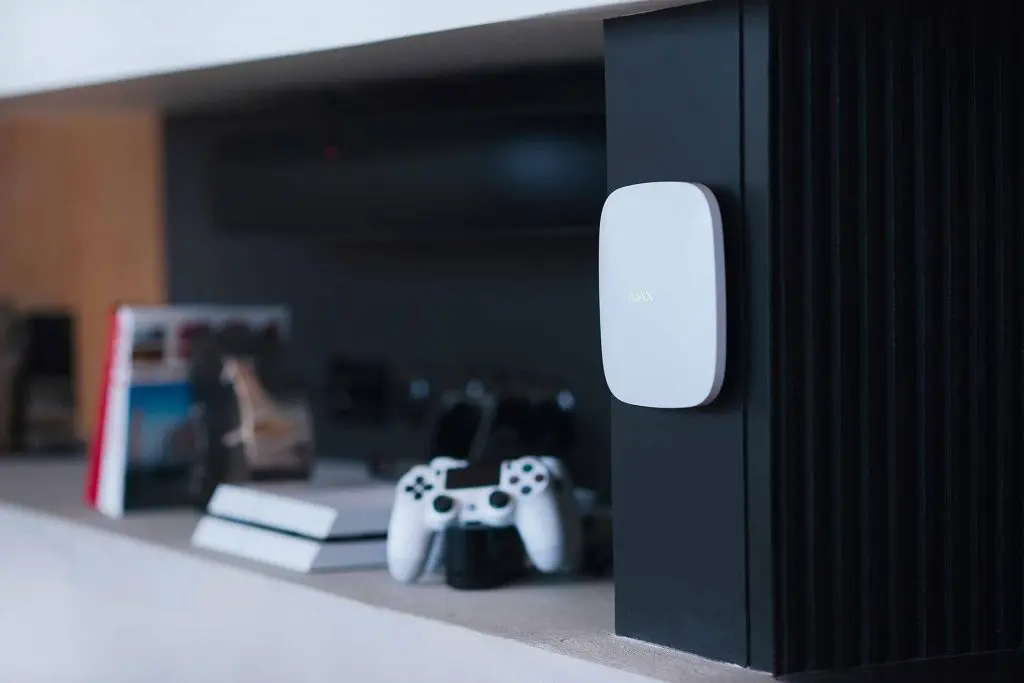
Ask three Perth security companies which alarm to buy and you'll get whichever brand they happen to stock. We install both Ajax and Bosch weekly, and the honest answer is the boring one: they're both excellent, and the right pick depends on your building, your habits and what you want the system to do in five years.
The Two Philosophies
Bosch — specifically the Solution series that dominates Australian homes — is the traditional professional alarm perfected. Wired panel in a cupboard, keypads by the doors, hardwired or hybrid detectors, decades of refinement, enormous installer familiarity. Tens of thousands of Perth homes run one. It's the Toyota Hilux of alarms: unglamorous, dependable, serviceable by anyone.
Ajax is the modern challenger: fully wireless, designed this decade, built around the app rather than the keypad. Sensors are battery-powered with multi-year battery life, communicate on Ajax's own encrypted radio protocol with battery/tamper/signal supervision on every device, and the hub reports over 4G and ethernet natively. It's grown from smart-home-adjacent to a serious professional platform — including wireless gear certified to higher security grades that used to be wired-only territory.
Where Bosch Wins
- Existing wiring. If your home already has a wired Bosch (or any wired alarm), reusing the cabling and swapping the panel is efficient and tidy. Wired detectors never need batteries.
- Long-proven hardware. Solution panels run for 15–20 years. The failure modes are known, parts are everywhere, and any licensed installer in Perth can service one — you're never locked to whoever installed it.
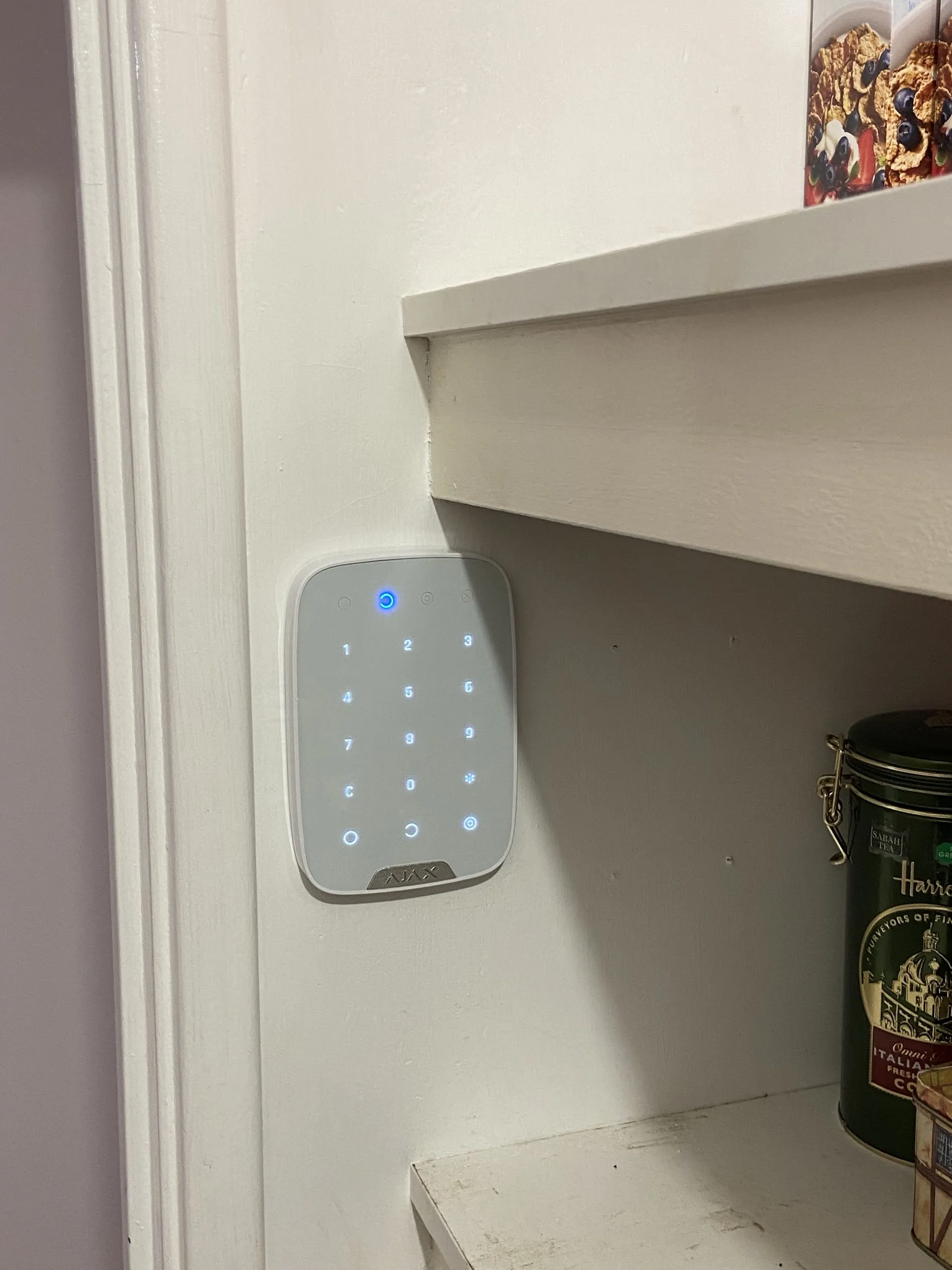
- Keypad-first households. Some people want to punch a code on the wall and never open an app. Bosch does that natively and simply.
- Hybrid flexibility. Wired where the cables exist, wireless where they don't — good for extensions and renovations.
- Conservative monitoring setups. Bosch with a quality 4G communicator is the classic back-to-base configuration every Perth monitoring centre knows intimately.
Where Ajax Wins
- No cabling. Double brick, finished ceilings, multi-storey — a full Ajax system goes into homes where chasing cable would be destructive or blow the budget. Install is faster and cleaner.
- The app experience. This isn't a bolted-on afterthought; it's the product. Arm/disarm anywhere, per-user codes and history, instant notifications, photo verification from motion sensors on supported models — you see what triggered the alarm, not just that something did.
- Supervision of everything. Every sensor continuously reports battery, tamper and signal strength. A dead or removed detector announces itself — it doesn't sit silent for years the way an aging wired PIR can.
- Native comms. 4G and ethernet reporting is built into the hub — no separate communicator module, which is exactly the component that stranded thousands of older systems in the 3G shutdown.
- Growing ecosystem. Sirens, keypads, buttons, water-leak and smoke detection, outdoor detection, video — added device-by-device, no rewiring.
- Renters and future movers. A wireless system can move house with you.
The Honest Weaknesses
Bosch: the app/cloud experience is serviceable rather than delightful; wireless range on hybrid setups is more constrained; and an old panel with a 3G communicator is the era-defining upgrade job of the last two years. It's also only as modern as the installer configures it to be.
Ajax: batteries are a real (if minor) maintenance rhythm — multi-year life, but eventually every sensor wants a battery, and a big house has a lot of sensors. You're also more inside one vendor's ecosystem: the hub, app and sensors are one platform, which is why it works so well and also why you should buy it deliberately.
Radio jamming gets raised against all wireless alarms; it's largely a theoretical objection against modern supervised systems like Ajax, which detect and alert on jamming and interference. We treat it as a solved problem for residential risk levels — and for genuinely high-security requirements, that's a specification conversation, not a brand slogan. If that's your situation — a shopfront, office or licensed venue — start with our commercial alarm systems page rather than a brand comparison.
Monitoring: A Draw, on Purpose
Both connect to professional back-to-base monitoring, and both self-monitor via app if you'd rather not pay for a centre. Bosch does it through an added communicator; Ajax through its built-in channels. Graded monitoring, patrol response, medical/duress configurations — achievable on either. Whatever you pick, insist on end-to-end signal testing with the monitoring centre at handover.
Cost Positioning
We won't quote prices on a comparison page because system cost is driven by your building, device count and monitoring choice, not the logo. Broadly: on a new install with no existing wiring, Ajax and a professionally wired Bosch system land in comparable territory once installation labour is counted — wireless trades cabling labour for smarter hardware. Where existing wiring can be reused, Bosch usually becomes the value play. Our alarm packages show how we typically scope both.
So Which One?
- Established home, existing wired alarm or pre-wiring, keypad habits, wants maximum serviceability → Bosch.
- Double brick with no wiring, renovation-averse, app-first household, wants photo verification and room to grow → Ajax.
- Rental or planning to move → Ajax.
- Extension on a wired home → Bosch hybrid, or a clean break to Ajax if the old panel's due anyway.
We'll tell you which we'd put in your specific house — sometimes it's not the one you came in wanting, and we'll explain why.
FAQs
Is Ajax as reliable as Bosch?
Yes, in our installed-base experience — but differently. Bosch's reliability is decades-proven hardware that runs near-silently for years. Ajax's is active: every device continuously supervises its own battery, tamper state and signal, so faults surface immediately instead of lurking. Neither brand is the risky choice.
Are wireless alarms like Ajax easy to jam?
Modern supervised wireless systems detect interference and jamming and raise alerts — it's not the silent vulnerability internet forums suggest. For typical residential risk, we consider it a non-issue; for high-security commercial requirements, grading and design matter more than brand.
Can I keep my existing wired sensors and still modernise?
Often, yes. A new Bosch panel can reuse existing wired detectors directly, and hybrid/integration options exist to bring wired zones into modern platforms. It's frequently the most cost-effective upgrade path — worth a site look before deciding.
Do both work with back-to-base monitoring in Perth?
Yes. Bosch via an added 4G/IP communicator, Ajax via its built-in 4G and ethernet reporting. Both connect to professional monitoring centres, and both alternatively self-monitor through their apps.
Which has the better app?
Ajax, comfortably — the whole platform is designed app-first, with per-user control, event history and photo verification on supported sensors. Bosch's app is functional and improving, but the system's heart is still the keypad.
How long do the batteries last in an Ajax system?
Sensor batteries are rated in years, not months, and the system tells you well in advance when each device is running low — replacement is a routine part of servicing rather than a surprise.
Want Both Systems Priced Against Your Home?
Tell us about your place and how you live, and we'll spec both systems against it — with a straight recommendation, not a coin toss.