Body Worn Cameras Perth: A Guide for Security Guards, Healthcare & Retail Workers in WA
WA Police deployed over 4,000 body worn cameras to frontline officers. Now the rest of WA's workforce is catching up — and for good reason.
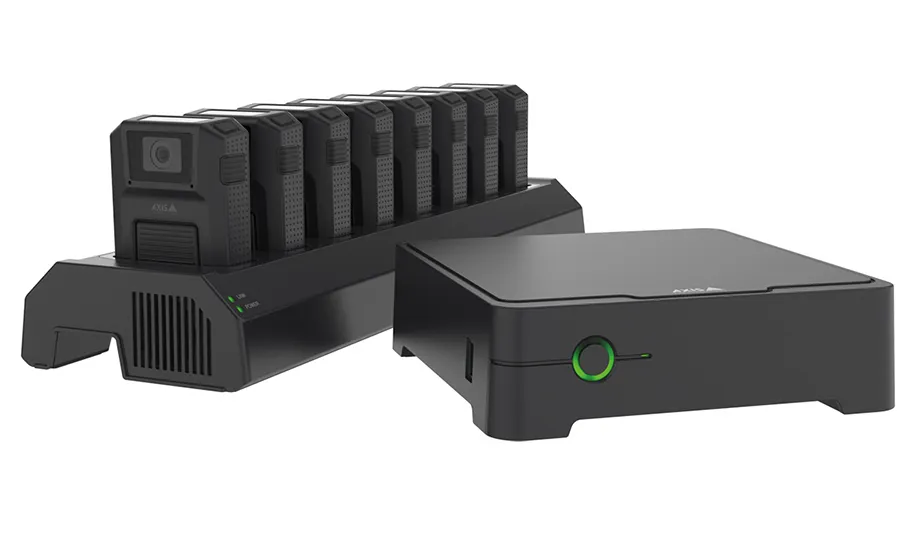
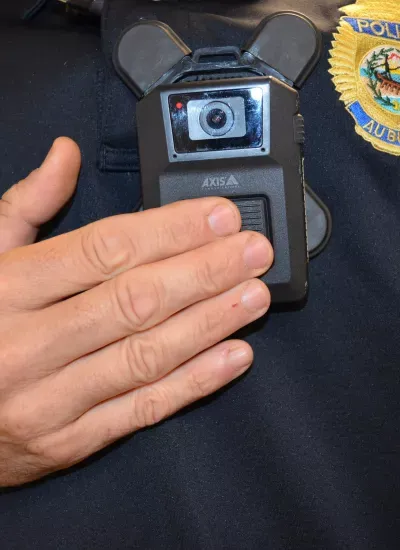
Body worn cameras in Perth used to mean one thing: police. WA Police rolled out over 4,000 cameras to frontline officers and recorded more than 1.4 million evidence uploads. The results — better evidence capture, fewer contested interactions, faster case resolution — were clear enough that other sectors started paying attention. Today, body worn cameras are appearing on private security guards, nurses, retail staff, construction supervisors, and transport workers across WA. If you're looking at body worn cameras for your team in Perth, this guide explains who's using them, what WA law requires, and what to look for when choosing a system.
Quick summary
- Who's using them: Security guards, hospital security, retail loss prevention, aged care workers, transport staff
- Main benefits: Incident deterrence, evidence capture, staff protection, reduced false complaints
- WA law: Cameras must be overt (visible), cannot record private activity without consent in certain contexts
- Leading brands: Axon, Motorola Solutions, Reveal Media, Wolfcom
- GWS supplies: Body worn cameras for businesses and organisations across Perth and WA
Who Uses Body Worn Cameras in Perth?
The adoption curve for body worn cameras in Perth mirrors what happened nationally: law enforcement first, then private security, then healthcare, then retail. Each sector has its own use case but the underlying logic is the same — a visible camera changes how people behave, and footage resolves disputes that would otherwise come down to one person's word against another's.
Body Worn Cameras for Security Guards in WA
Private security in WA operates in environments where physical confrontation, verbal abuse, and false complaints are occupational realities. A body worn camera addresses all three.
The deterrence effect is real — research consistently shows that people behave differently when they can see they're being recorded. For a security guard at a venue, a shopping centre, or a construction site, having a visible camera on their chest changes the dynamic before an incident starts rather than after.
When incidents do occur, body worn camera footage provides accurate, contemporaneous evidence — far more reliable than written incident reports completed hours later. False complaints against security staff, a persistent problem in the industry, become much harder to sustain when there's footage showing exactly what happened.
For security companies deploying guards across Perth, body worn cameras also provide a layer of oversight and accountability that benefits the business — both operationally and for insurance and liability purposes.
Healthcare Workers and Body Cameras in WA
Violence against healthcare workers in Australia is rising. Nurses, paramedics, hospital security personnel, and aged care staff face verbal and physical abuse at rates that have become a serious workforce and safety concern.
NSW Health trialled body worn cameras across nine hospitals in 2024, with a focus on security staff in emergency departments. The WA Country Health Service has formal procedures for body worn camera use. The pattern is the same as policing: the visible presence of a camera de-escalates situations before they become violent, and footage supports prosecutions when they don't.
In WA's healthcare context, cameras are typically deployed on security staff rather than clinical workers — the privacy implications of recording patients during clinical care are complex. But for the person managing an aggressive patient in a waiting room, a body worn camera is becoming standard personal protective equipment.
Retail Workers: Why Body Cameras Are Spreading Across Australia
Woolworths began trialling body worn cameras in 2021. Bunnings followed. The driver isn't shoplifting — it's staff safety. Australian retail research has found that 88% of retail workers have experienced customer abuse, and weapon-related retail incidents have increased sharply in recent years.
Studies on body worn camera use in retail show a potential 40% reduction in customer complaints against staff, and more than half of workers report feeling safer when wearing one. For loss prevention teams, the evidence capture function is also operationally valuable — footage supports prosecutions and provides accurate records for insurance claims.
For Perth retailers — from large format stores to independent operators — body worn cameras are increasingly part of the safety conversation alongside duress alarms, CCTV, and access control.
WA Privacy Laws and Body Worn Cameras
Before deploying body worn cameras in WA, there are legal requirements to understand. The key points:
- Cameras must be overt — visibly worn, not concealed. WA law and standard deployment guidelines require that the camera is clearly visible and that the wearer's role makes it apparent recording may occur.
- Private activity: Western Australia, like Victoria, prohibits optical recording of "private activity" even in public spaces. In practice, for commercial deployments, the relevant question is whether you're recording in a context where people have a reasonable expectation of privacy.
- Notification: In contexts where people may be recorded in more private settings — inside homes, for example — the recorder should notify subjects they're being recorded.
- Data storage and retention: Footage needs to be stored securely, with access controls and defined retention periods.
For most commercial deployments — security guards at retail and commercial premises, healthcare facility security, construction sites — the legal picture is relatively clear: overt cameras, worn visibly, in contexts where people have limited expectation of privacy, are lawful. We recommend getting specific advice for your deployment context if you're uncertain.
Choosing a Body Worn Camera: What to Look For
The body worn camera market in Australia has matured significantly. The leading brands — Axon (formerly TASER), Motorola Solutions, Reveal Media, and Wolfcom — all offer serious commercial-grade options. What separates them is the ecosystem around the hardware: how footage is stored, accessed, and managed.
Key specifications to evaluate:
- Battery life: Shifts vary — a camera that dies at hour six isn't suitable for a 12-hour shift. Look for 8-12+ hours of actual recording time, not standby time.
- Storage: On-device storage plus cloud upload is the current standard. Know how many hours of footage the device holds before upload, and how the upload process works at shift end.
- Pre-event buffer: The best cameras continuously record a short loop (30-60 seconds) in low-res before the record button is pressed. When you hit record, you capture the lead-up to an incident — often the most important part.
- Evidence management: For organisations with legal or compliance requirements, how footage is tagged, stored, accessed, and exported matters as much as the camera itself.
- Durability: IP rating matters. Security and maintenance staff work outdoors in WA conditions — look for IP67 or IP68 rated devices.
We supply body worn cameras to businesses and organisations across Perth and WA. If you're looking at deploying cameras for your team, see our body worn camera solutions or get in touch to discuss your requirements.
Body Worn Camera Supply Perth
We supply body worn cameras for security guards, healthcare facilities, retail operators and commercial organisations across Perth and WA. Get in touch to discuss your team size, deployment requirements, and the right solution for your context.